Many homeowners believe driveway sealing is purely cosmetic, a way to make surfaces look fresh and new. In reality, sealing provides critical protection against moisture, frost, UV rays, and wear, extending your driveway’s lifespan by years and preventing costly repairs. This guide explains what driveway sealing truly involves, how it works, the types of sealants available, and whether professional application or DIY is right for you. Focused on driveways common in Cornwall and Devon, you will learn practical steps to protect your investment and enhance kerb appeal.
Table of Contents
- What Driveway Sealing Is And Why It Matters
- Choosing The Right Sealant For Your Driveway Material
- Preparing Your Driveway For Sealing: Step-By-Step Guide
- Professional Sealing Versus DIY: Cost And Quality Comparison
- Explore Professional Driveway Cleaning And Sealing Services In Cornwall And Devon
- Frequently Asked Questions About Driveway Sealing
Key takeaways
| Point | Details |
|---|---|
| Protection from damage | Sealing guards against water, frost, UV rays, and chemical spills that cause cracks and erosion. |
| Extended lifespan | Proper sealing can double or triple driveway life, reducing repair and replacement costs. |
| Surface preparation | Thorough cleaning and drying ensure sealant adhesion and prevent peeling or flaking. |
| Sealant selection | Different materials require specific sealants for optimal durability and finish. |
| Professional advantage | Expert application delivers better results, longevity, and cost savings over time. |
What driveway sealing is and why it matters
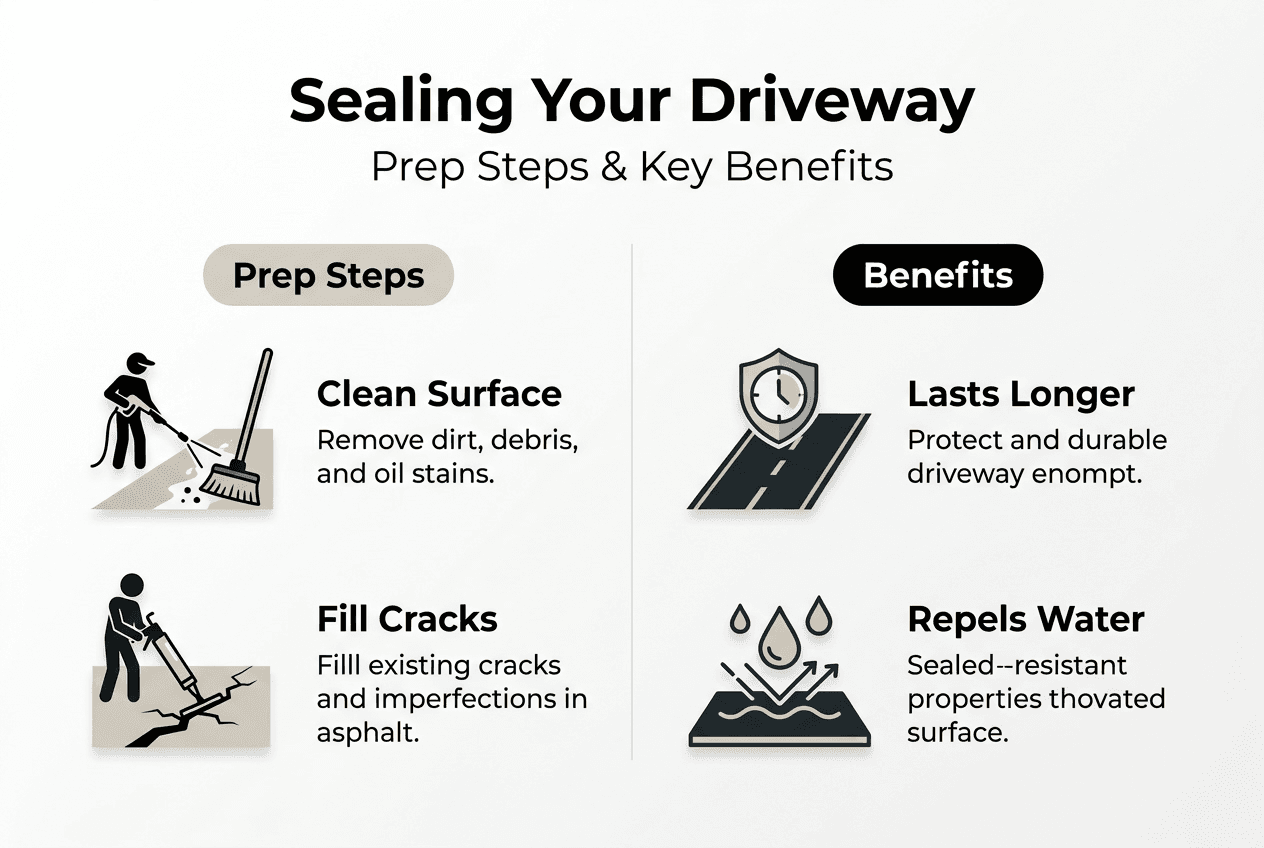
Driveway sealing involves applying a protective layer over your driveway surface to shield it from environmental and mechanical damage. This barrier guards against moisture penetration, frost damage, UV degradation, environmental pollutants, and chemical spills like oil or petrol. Without sealing, water seeps into porous surfaces, freezes during winter, and expands, causing cracks and surface erosion.
Sealed driveways can last 2-3 times longer than unsealed ones, preventing expensive repairs and extending the functional life of your investment. Sealing also maintains appearance, preventing fading and discolouration caused by UV exposure and weathering. For homeowners in Cornwall and Devon, where wet winters and coastal conditions accelerate wear, sealing is particularly valuable.
Typical reasons homeowners choose sealing include preserving aesthetic appeal, preventing structural damage, and improving slip resistance when additives are mixed into sealants. Professional pressure washing for driveways before sealing ensures surfaces are clean and ready for optimal sealant adhesion.
Key benefits of driveway sealing include:
- Lifespan extension by preventing cracks and erosion
- Maintenance cost savings through reduced repairs
- Enhanced aesthetics with restored colour and finish
- Improved kerb appeal and property value
- Environmental protection against pollutants and chemicals
“Driveway sealing protects against moisture penetration, extending the driveway’s lifespan and preventing costly damage.”
Investing in quality sealing now prevents the need for resurfacing or replacement later. Homeowners who prioritise exterior cleaning services and regular sealing enjoy driveways that remain functional and attractive for decades. For insider tips for lasting sealing, consider professional guidance tailored to your surface type.
Choosing the right sealant for your driveway material
Selecting the correct sealant depends on your driveway material and desired finish. Common driveway types in Cornwall and Devon include block paving, concrete, resin, asphalt, and imprinted concrete. Each surface requires specific sealant formulations to achieve optimal protection and appearance.
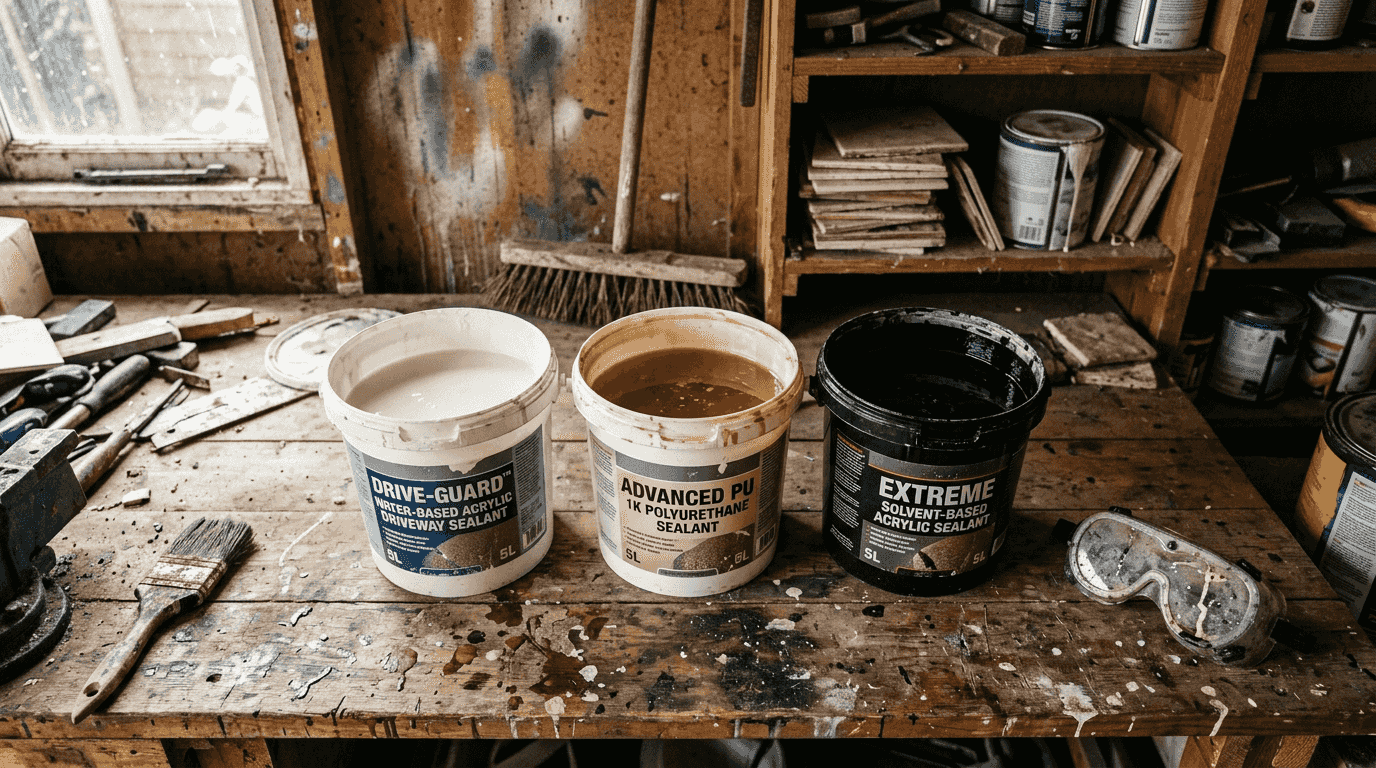
Different types of sealers are available, including water-based acrylic, PU 1K polyurethane, and solvent-based acrylic, each suited for different surfaces and desired finishes. Water-based acrylics offer eco-friendly application with moderate durability, whilst polyurethane sealants provide superior chemical resistance and longevity. Solvent-based options deliver high gloss finishes but require careful ventilation during application.
| Sealant type | Characteristics | Durability | Finish | Best for |
|---|---|---|---|---|
| Water-based acrylic | Eco-friendly, easy cleanup | 2-3 years | Matt to low sheen | Block paving, concrete |
| PU 1K polyurethane | High chemical resistance | 4-6 years | Satin to high gloss | Resin, imprinted concrete |
| Solvent-based acrylic | Fast drying, strong adhesion | 3-5 years | High gloss | Asphalt, block paving |
Factors influencing sealant choice include:
- Material compatibility with your driveway surface
- Desired aesthetic from matt to high gloss
- UV resistance for sun-exposed areas
- Chemical resistance against oil and fuel spills
- Drying time and weather conditions during application
Pro Tip: Always test a small inconspicuous area first to ensure compatibility and finish before applying sealant to the entire driveway.
The choice of sealant depends on the driveway material and desired finish, so matching products to surfaces ensures longevity and appearance. For resin driveway cleaning in Cornwall, specialised sealants maintain the unique properties of resin surfaces. Avoid professional cleaning company mistakes by consulting experts about sealant selection. For detailed guidance, see this block-paved driveway sealing guide.
Preparing your driveway for sealing: step-by-step guide
Proper surface preparation is essential for sealant adhesion and longevity. Skipping or rushing preparation leads to peeling, flaking, cloudiness, and weak bonding. Proper surface preparation is crucial for sealant adhesion and longevity, ensuring your investment delivers lasting protection.
Follow these steps to prepare your driveway correctly:
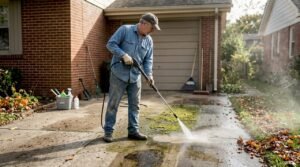
- Thoroughly clean the surface using professional pressure washing to remove dirt, oil, moss, algae, and debris. Pay special attention to stains and organic growth.
- Fill cracks and repair damaged areas with appropriate fillers or mortar. Allow repairs to cure fully before proceeding.
- Ensure the surface dries completely for at least 24 to 48 hours. Moisture trapped under sealant causes adhesion failure and cloudiness.
- Check weather forecasts and choose a dry period with temperatures between 10°C and 25°C and low humidity for optimal application conditions.
- Inspect the surface again before sealing. Repeat cleaning if necessary to ensure no contaminants remain.
Improper preparation causes sealant failure, peeling, flaking, or weak adhesion. Moisture, dirt, or oil prevent the sealant from bonding correctly, leading to premature deterioration. The driveway must dry for at least 24 to 48 hours before sealing to avoid trapping moisture.
Pro Tip: Avoid acidic cleaners on concrete blocks as they can damage the surface and interfere with sealant adhesion.
Ideal sealing conditions include temperatures between 10°C and 25°C with low humidity. Avoid sealing during rain, frost, or extreme heat. For driveway oil stain removal in Cornwall, professional cleaning ensures stubborn contaminants are fully removed before sealing. Homeowners attempting DIY can benefit from DIY pressure washing tips to improve cleaning results. For specialised surfaces, review honed concrete surface preparation techniques.
Professional sealing versus DIY: cost and quality comparison
Deciding between professional sealing and DIY depends on budget, skill level, and desired results. Understanding costs and risks helps homeowners make informed choices. Typical driveway maintenance costs in the UK include sealing at £69 to £169, crack repair at £400 to £1,200, resurfacing at £2,000 to £4,500, and full replacement at £6,000 or more.
Professional cleaning and resealing is more cost-effective than full driveway replacement, preventing expensive repairs through timely intervention. Professional services offer specialised equipment, expertise, and optimal timing to ensure sealing quality and longevity.
| Factor | DIY sealing | Professional sealing |
|---|---|---|
| Cost | £50-£150 materials | £300-£800 full service |
| Quality | Variable, depends on skill | Consistent, high standard |
| Durability | 1-3 years typical | 4-6 years typical |
| Preparation | Time-consuming, manual | Efficient, industrial equipment |
| Equipment | Basic tools, rental costs | Professional-grade machinery |
| Risk of failure | High without experience | Low, backed by guarantees |
DIY sealing failures often stem from improper surface preparation, incorrect sealant selection, and unfavourable weather conditions. Common DIY mistakes include:
- Inadequate cleaning leaving contaminants that prevent adhesion
- Choosing the wrong sealant type for the surface material
- Sealing during unsuitable weather causing poor curing
- Applying sealant too thickly or unevenly creating streaks
- Skipping necessary repairs before sealing
Pro Tip: Professional services offer specialised equipment, expertise, and best timing to ensure sealing quality and longevity, often saving money long term.
Professional sealing enhances kerb appeal and resale value by delivering uniform, durable finishes that last years longer than DIY attempts. For benefits of professional pressure washing, expert cleaning before sealing maximises results. Avoid mistakes to avoid hiring cleaning company by choosing experienced, insured providers. Review common DIY sealing mistakes to understand risks before attempting DIY.
Explore professional driveway cleaning and sealing services in Cornwall and Devon
Protecting your driveway investment requires expert cleaning, quality sealant application, and ongoing maintenance. Professional exterior cleaning services in Cornwall and Devon combine industrial-grade equipment, eco-friendly products, and full insurance to deliver safe, efficient, and lasting results.

Expert cleaning removes stubborn contaminants, whilst professional sealant application ensures optimal adhesion and durability. Maintenance plans help homeowners protect their driveway investment, extend lifespan, and improve kerb appeal. For comprehensive guidance, explore this exterior cleaning guide for Cornwall homes to understand how professional services enhance property value and appearance.
Frequently asked questions about driveway sealing
What is the best time of year to seal my driveway?
The best time is late spring through early autumn when temperatures range between 10°C and 25°C with low humidity. Avoid sealing during wet or frosty conditions, as moisture prevents proper adhesion and curing.
How often should I reseal my driveway for optimal protection?
Reseal every 2 to 4 years depending on sealant type, traffic levels, and weather exposure. High-traffic driveways or those exposed to harsh coastal conditions may require more frequent resealing.
Can sealing prevent weed and moss growth on my driveway?
Sealing reduces weed and moss growth by filling pores and joints where seeds germinate. However, regular cleaning and maintenance are still necessary to prevent organic matter accumulation.
Is sealing driveway cracks a permanent fix or will they need repair again?
Sealing cracks provides temporary protection but is not permanent. Cracks may reopen due to ground movement or freeze-thaw cycles, requiring periodic inspection and repair.
What are the risks of sealing a driveway myself without professional help?
DIY sealing risks include poor surface preparation, incorrect sealant selection, unsuitable weather application, uneven coverage, and premature failure. These mistakes lead to peeling, flaking, and wasted materials, often costing more to fix than hiring professionals initially.
Recommended
- Specialist Resin Driveway Cleaning in Cornwall: Protect Your Surface & Restore Kerb Appeal – jetpowerpressurewashing.co.uk
- Driveway Oil Stain Removal in Cornwall – Professional Cleaning in Truro, Falmouth, Newquay & More – jetpowerpressurewashing.co.uk
- 10 Exciting DIY Pressure Washing Tips to Transform Your Home – The Ultimate Unknown Guide You Need for a Fresh, Clean Space! – jetpowerpressurewashing.co.uk
- The Benefits of Professional Pressure Washing for Driveways & Patios in Cornwall – jetpowerpressurewashing.co.uk
- Honed Concrete Finish (Grind & Seal) – Floor X Industries
- Gravel Driveway Process Guide for Georgia Homeowners 2026