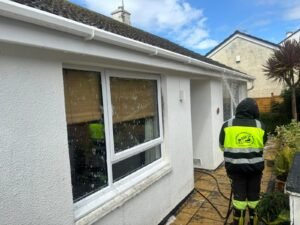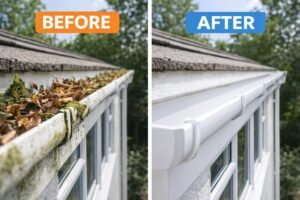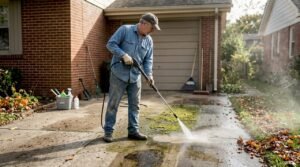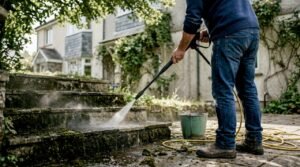
Driveway cleaning is often dismissed as a purely cosmetic exercise, but this misconception overlooks its critical role in property maintenance and value preservation. Beyond simply making your driveway look presentable, regular cleaning prevents structural deterioration, eliminates safety hazards, and protects your investment. This comprehensive guide explores what driveway cleaning actually involves, the methods and materials professionals use, and practical strategies for maintaining your property’s exterior surfaces in Cornwall and Devon’s unique climate.
Table of Contents
- Key takeaways
- What is driveway cleaning and why it matters
- Methods and materials used in driveway cleaning
- Pressure washing vs soft washing: choosing the right approach
- Maintaining your driveway: practical tips and scheduling
- Professional driveway cleaning services in Cornwall and Devon
- FAQ
Key Takeaways
| Point | Details |
|---|---|
| Why it matters | Regular driveway cleaning prevents surface degradation, reduces safety hazards and protects property value. |
| Cleaning methods | Choose between pressure washing and soft washing based on the driveway surface, and ensure water volume matters as much as pressure. |
| Targeted stain treatments | Specialist chemicals break down oil and grease with alkaline degreasers, and acidic cleaners or diluted bleach address rust, moss and efflorescence. |
| Professional guidance | Professional cleaning offers the best results and long term maintenance tailored to local climate conditions. |
What is driveway cleaning and why it matters
Driveway cleaning is the process of removing dirt, grime, oil stains, algae, moss, and contaminants from driveway surfaces using specialised equipment and treatments. This goes far beyond simple aesthetics. The methods employed include pressure washing with controlled water jets, soft washing with chemical solutions, targeted stain treatments, and surface-specific tools designed to restore appearance without causing damage.
The benefits extend well beyond curb appeal. Regular cleaning prevents surface degradation by removing acidic contaminants that eat away at concrete and asphalt over time. Algae and moss create slippery surfaces that pose genuine safety risks, particularly in Cornwall and Devon’s damp climate where these organisms thrive. Property value directly correlates with exterior presentation, and a clean driveway signals proper maintenance to potential buyers.
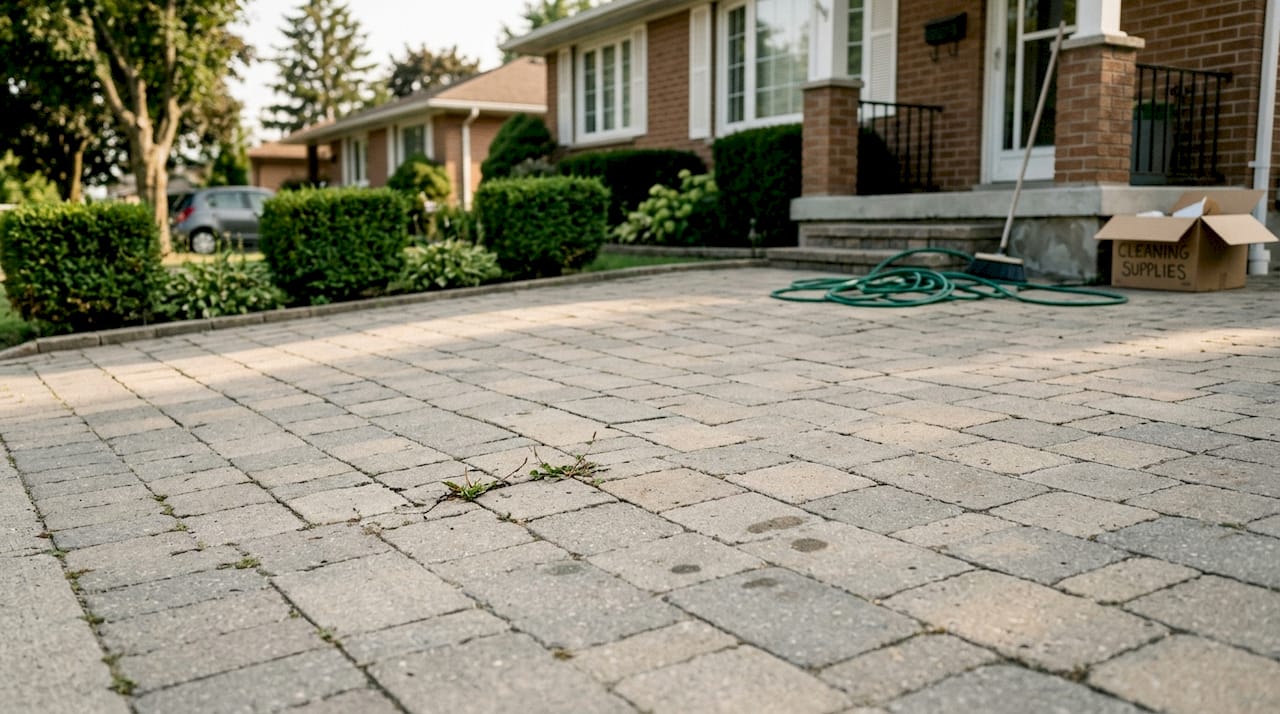
In Cornwall and Devon, driveways face unique challenges from coastal moisture, frequent rainfall, and temperature fluctuations. These conditions accelerate the accumulation of specific contaminants that require targeted removal strategies. Understanding what you’re dealing with helps you choose the right cleaning approach for your surface type and local conditions.
Common driveway contaminants include:
- Dirt and mud deposits from vehicles and weather
- Oil and grease stains from vehicle leaks and maintenance
- Algae growth in damp, shaded areas creating green discolouration
- Moss colonies that trap moisture and damage surface integrity
- Rust stains from metal objects or water with high iron content
- Efflorescence appearing as white crystalline deposits on concrete
Each contaminant requires specific treatment approaches. Exterior cleaning encompasses multiple surfaces beyond driveways, but your driveway often experiences the heaviest soiling due to constant vehicle traffic and exposure. Recognising these contaminants helps you communicate effectively with cleaning professionals and understand why certain methods work better than others.
Methods and materials used in driveway cleaning
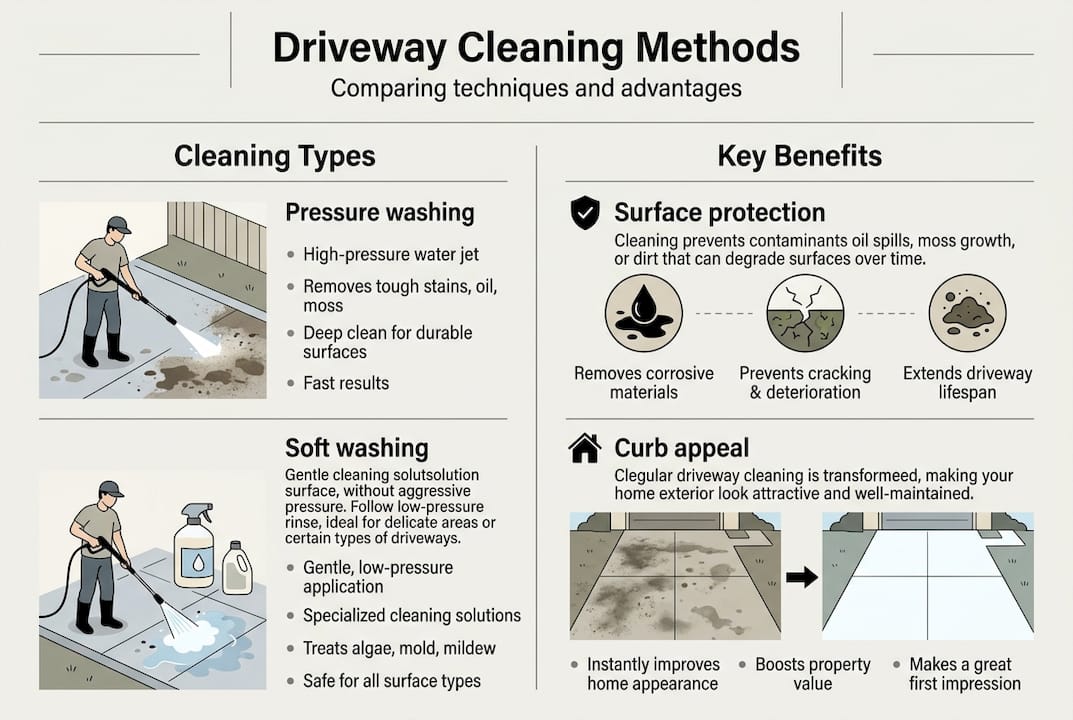
Pressure washing uses high-pressure water jets to blast away surface contaminants, whilst soft washing relies on lower pressure combined with chemical solutions to dissolve and remove buildup. The choice between these methods depends entirely on your driveway’s material composition and condition. Concrete, block paving, asphalt, and resin-bound surfaces each respond differently to cleaning approaches.
Equipment specifications matter more than most homeowners realise. Gallons per minute matters more than pressure for effective cleaning because water volume flushes away loosened contaminants. A machine delivering 4 GPM at moderate pressure cleans more efficiently than one producing high PSI with limited flow. Surface cleaners with rotating jets provide even coverage and prevent the streaking that occurs with wand-only applications.
Chemical treatments target specific contaminants with precision. Alkaline degreasers break down oil and grease, whilst acidic cleaners dissolve rust and efflorescence. Diluted bleach kills moss and algae at the root, preventing rapid regrowth. Deep-set stains may require poultices that draw contaminants out through chemical reaction, or micro-abrasion techniques for stubborn marks.
Application technique prevents damage whilst maximising results. Maintaining a 12 to 18 inch distance from the surface and using a 15-degree spray angle provides optimal cleaning without etching. Overlapping strokes by 50% eliminates streaks and ensures complete coverage. Working in sections allows you to manage chemical dwell times effectively before rinsing.
| Contaminant | Recommended chemical | Application method | Precautions |
|---|---|---|---|
| Oil and grease | Alkaline degreaser | Apply, dwell 10-15 minutes, agitate, rinse | Avoid runoff into drains |
| Rust stains | Acidic cleaner | Spot treat, short dwell time, rinse thoroughly | Never use on asphalt |
| Moss and algae | Diluted bleach (3% solution) | Spray evenly, 15-20 minute dwell, rinse | Protect surrounding plants |
| Efflorescence | Mild acid solution | Light application, immediate rinse | Test on inconspicuous area |
| Tyre marks | Solvent-based cleaner | Apply, scrub, rinse quickly | Use in ventilated conditions |
Safety and surface protection require attention throughout the cleaning process:
- Test all chemicals on small inconspicuous areas before full application
- Wear protective equipment including goggles, gloves, and waterproof footwear
- Protect nearby plants and landscaping with plastic sheeting or pre-wetting
- Never mix different chemical products as reactions can create dangerous fumes
- Ensure proper drainage to prevent chemical pooling or runoff into storm drains
- Allow surfaces to dry completely before vehicle traffic resumes
Pro tip: Always test chemical treatments on a hidden corner of your driveway before applying them across the entire surface. This reveals any adverse reactions to your specific material and prevents costly damage from incompatible products.
Professional driveway stain removal addresses stubborn marks that resist standard cleaning. Specialists understand material compatibility and have access to industrial-strength treatments unavailable to consumers. When DIY pressure washing reaches its limits, professional intervention prevents surface damage from repeated amateur attempts.
Pressure washing vs soft washing: choosing the right approach
Pressure washing delivers mechanical cleaning force through high-pressure water jets, typically ranging from 2000 to 4000 PSI for residential applications. This method excels at removing loose dirt, mud, and surface debris quickly. However, the same force that strips away grime can damage delicate surfaces or cause etching on porous materials like concrete when applied incorrectly.
Soft washing takes a chemical-first approach, using low-pressure application of cleaning solutions that do the heavy lifting through molecular action rather than mechanical force. Soft washing kills growth at the root rather than simply blasting it away, resulting in longer-lasting results. This method proves particularly effective for concrete driveways where porosity allows chemicals to penetrate and eliminate embedded contaminants.
Risk assessment guides method selection. Pressure washing can strip sealants, widen existing cracks, force water beneath surface layers, and create uneven cleaning patterns that highlight rather than hide imperfections. Older driveways with compromised structural integrity face particular vulnerability. Soft washing eliminates these mechanical risks whilst still achieving thorough cleaning through targeted chemical action.
Environmental factors significantly impact washing effectiveness. Temperature between 5-20°C provides optimal conditions for both chemical activity and water evaporation rates. Dry or overcast days prevent rapid chemical evaporation and allow proper dwell times. Rain within 24 hours of cleaning washes away treatments before they fully work, whilst freezing temperatures render most chemicals ineffective and risk surface damage from ice expansion.
| Feature | Pressure washing | Soft washing |
|---|---|---|
| Pressure level | 2000-4000 PSI | 100-500 PSI |
| Primary mechanism | Mechanical force | Chemical action |
| Best for | Hard surfaces, loose debris, regular maintenance | Porous concrete, biological growth, delicate surfaces |
| Risk level | Higher (etching, damage potential) | Lower (minimal mechanical stress) |
| Results duration | Shorter (surface cleaning only) | Longer (kills growth at root) |
| Chemical use | Minimal or none | Essential component |
| Skill requirement | Moderate to high | Moderate |
Material compatibility determines which method suits your specific driveway. Block paving tolerates pressure washing well but risks sand displacement between blocks. Asphalt requires lower pressure to avoid surface degradation. Resin-bound driveways demand soft washing exclusively to preserve the binding matrix. Stamped or decorative concrete benefits from soft washing to protect intricate patterns and surface treatments.
Pro tip: Schedule regular professional cleaning every 12 to 18 months to extend your driveway’s lifespan and maintain safe, slip-resistant surfaces year-round. Professionals adjust methods seasonally and recognise early signs of deterioration that homeowners typically miss.
Soft washing versus pressure washing represents more than a simple choice between two techniques. Understanding the fundamental differences helps you protect your investment whilst achieving superior cleaning results appropriate to Cornwall and Devon’s climate challenges.
Maintaining your driveway: practical tips and scheduling
Cleaning frequency of every 12 to 18 months suits most driveways in Cornwall and Devon, though heavily shaded areas or properties near trees may require annual attention. Climate exposure, vehicle traffic volume, and surrounding vegetation all influence optimal scheduling. Properties in coastal areas face accelerated salt and moisture accumulation that demands more frequent intervention.
A systematic maintenance schedule protects your investment and simplifies long-term care. Following these numbered steps ensures comprehensive coverage:
- Conduct visual inspections every three months to identify emerging stains, biological growth, or surface damage requiring attention
- Sweep or blow debris weekly to prevent organic matter decomposition and staining from prolonged contact
- Address fresh oil stains immediately with absorbent materials and spot cleaning before they penetrate deeply
- Schedule professional deep cleaning during optimal weather windows in spring or autumn
- Apply appropriate sealants within 48 hours of cleaning to lock in results and provide protective barriers
- Document cleaning dates and methods used to track effectiveness and adjust scheduling as needed
Regular cleaning delivers measurable benefits beyond appearance. Proper maintenance boosts curb appeal and prevents deterioration that leads to costly repairs or premature replacement. Clean driveways contribute significantly to property value, with estate agents consistently noting that exterior presentation influences buyer perception and offer amounts. Prevention costs substantially less than correction.
Chemical selection impacts maintenance frequency significantly. Correct chemicals halve maintenance frequency compared to water-only cleaning because they eliminate contaminants at the molecular level rather than temporarily displacing them. Biocidal treatments prevent rapid regrowth of algae and moss, extending the interval between required cleanings. This reduces both cost and labour over time.
Professional services provide value through expertise and equipment access. Specialists identify surface-specific requirements, apply appropriate chemical concentrations, and recognise early deterioration signs that homeowners overlook. They carry liability insurance covering potential damage and possess industrial-grade equipment that completes jobs efficiently. For stubborn stains or valuable decorative surfaces, professional intervention prevents expensive mistakes.
Pro tip: Seal your driveway immediately after professional cleaning whilst the surface remains perfectly clean and porous. This timing maximises sealant penetration and bonding, providing optimal protection against future staining and weather damage for years to come.
Clean house exteriors demonstrably boost value and longevity across all property types. Your driveway forms part of this exterior presentation package, contributing to first impressions that shape property valuations and buyer interest. Systematic maintenance preserves this value whilst avoiding emergency interventions when deterioration becomes severe.
Professional driveway cleaning services in Cornwall and Devon
Professional driveway cleaning delivers results that DIY methods struggle to match. Specialists bring industrial equipment, professional-grade chemicals, and technical knowledge that prevents surface damage whilst achieving superior cleanliness. They understand material compatibility, optimal pressure settings, and chemical dwell times that maximise effectiveness without compromising surface integrity.

Local expertise matters for Cornwall and Devon properties facing unique coastal and rural challenges. Professional services assess your specific situation, recommend appropriate methods, and deliver consistent results backed by insurance and guarantees. Professional exterior cleaning services handle complete property maintenance beyond driveways, creating cohesive exterior presentation.
Comprehensive exterior cleaning guidance helps you understand what professional service includes and how it fits within broader property maintenance. For persistent problems like oil staining, specialised driveway stain removal addresses issues that resist standard cleaning approaches. Contact local experts for tailored assessments and maintenance plans suited to your property’s specific needs and conditions.
FAQ
How often should I clean my driveway?
Typical driveway cleaning frequency ranges from every 12 to 18 months for most properties, adjusted based on local conditions and visible soiling. Properties with heavy tree cover, coastal exposure, or high vehicle traffic may benefit from annual cleaning. Regular maintenance prevents deterioration and eliminates safety hazards from slippery biological growth before they become problematic.
Can I remove oil stains from my driveway myself?
Basic surface oil stains respond to DIY treatment with alkaline cleaners and absorbent materials when addressed quickly. However, stubborn oil stains often require professional degreasers and specialised techniques to fully extract embedded contamination. Professional cleaning protects your surface from damage caused by aggressive scrubbing or incompatible chemicals whilst delivering superior results.
Should I use pressure washing or soft washing for my driveway?
Soft washing proves safer for porous concrete driveways and surfaces with existing damage, preventing etching and structural compromise. Soft washing kills biological growth at the root for longer-lasting results. Pressure washing suits harder surfaces like block paving but risks damage when applied with excessive force or incorrect technique.
When is the best time of year to clean a driveway?
Ideal cleaning conditions occur during dry, mild weather with temperatures between 5-20°C, typically in spring or autumn for Cornwall and Devon. Avoid scheduling during rainy periods, freezing temperatures, or very hot days when chemical effectiveness suffers and surfaces become vulnerable. Overcast days prevent rapid chemical evaporation whilst allowing proper dwell times for optimal results.
Does driveway cleaning increase property value?
Clean driveways significantly enhance curb appeal and contribute measurably to property valuations by signalling proper maintenance and care. Estate agents consistently report that exterior presentation influences buyer perceptions and offer amounts. Regular cleaning prevents deterioration that leads to costly repairs, protecting your investment whilst maintaining attractive appearance that supports property value.
What chemicals are safe for driveway cleaning?
Safe chemical selection depends on your specific driveway material and the contaminants present. Alkaline degreasers work well on concrete and block paving for oil removal, whilst diluted bleach solutions effectively treat biological growth. Always avoid acidic cleaners on asphalt as they cause surface degradation. Test any chemical on inconspicuous areas first and follow manufacturer dilution recommendations precisely to prevent damage.
Recommended
- What is driveway sealing? Complete guide for homeowners 2026 – jetpowerpressurewashing.co.uk
- Specialist Resin Driveway Cleaning in Cornwall: Protect Your Surface & Restore Kerb Appeal – jetpowerpressurewashing.co.uk
- The Benefits of Professional Pressure Washing for Driveways & Patios in Cornwall – jetpowerpressurewashing.co.uk