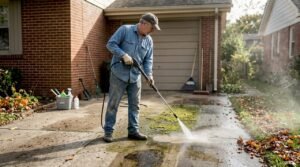
Many facilities managers believe manual cleaning methods suffice for maintaining commercial properties. However, research shows that facilities using industrial cleaning equipment achieve 40% better safety outcomes and significantly faster cleaning cycles. Industrial grade tools transform maintenance practices across Cornwall and Devon properties, delivering hygiene standards that manual methods simply cannot match. This guide explores how the right equipment enhances both cleanliness and safety, helping you make informed decisions for your facility’s specific needs.
Table of Contents
- Understanding Industrial Cleaning Equipment And Its Purpose
- How Industrial Cleaning Equipment Enhances Safety And Efficiency
- Selecting The Right Industrial Cleaning Equipment For Your Facility
- Best Practices For Operating And Maintaining Industrial Cleaning Equipment
- Explore Professional Industrial Cleaning Solutions In Cornwall And Devon
- Frequently Asked Questions
Key takeaways
| Point | Details |
|---|---|
| Safety improvement | Industrial equipment removes hazards 40% more effectively than manual cleaning methods |
| Efficiency gains | Professional grade tools reduce cleaning time by up to 60% whilst improving results |
| Equipment selection | Matching tools to surface types and facility size optimises performance and cost |
| Maintenance matters | Regular servicing extends equipment lifespan and maintains safety compliance standards |
Understanding industrial cleaning equipment and its purpose
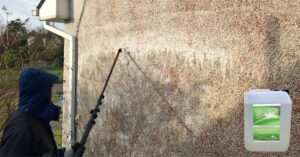
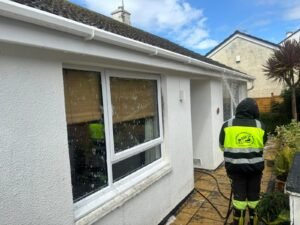
Industrial cleaning equipment encompasses specialised tools designed for commercial scale cleanliness and safety requirements. Unlike domestic cleaning products, these professional exterior cleaning systems handle larger areas, tougher contaminants, and demanding daily use. The category includes pressure washers delivering up to 4000 PSI, industrial floor scrubbers, commercial steam cleaners, and high capacity vacuum systems.
Each tool serves distinct roles in facilities management. Pressure washers excel at removing stubborn grime from exterior surfaces, pathways, and loading areas. Floor scrubbers tackle large interior spaces efficiently, applying cleaning solution whilst simultaneously extracting dirty water. Steam cleaners sanitise without harsh chemicals, ideal for food preparation areas and healthcare settings. Industrial vacuums capture fine dust particles that standard units miss, crucial for maintaining air quality.
Manual cleaning methods struggle in larger facilities for several reasons:
- Labour intensity increases costs and time requirements exponentially
- Inconsistent results across different operators and shifts
- Physical strain leads to staff fatigue and potential injuries
- Inadequate removal of embedded dirt and biological contaminants
- Difficulty meeting stringent health and safety compliance standards
The fundamental purpose of industrial equipment centres on achieving consistent, verifiable cleanliness at scale. A single operator with a floor scrubber can clean what would take five people with mops several hours to complete. This efficiency translates directly into cost savings whilst improving hygiene outcomes. For facilities managers in Cornwall and Devon, where coastal conditions accelerate dirt accumulation and weathering, industrial grade tools become essential rather than optional.
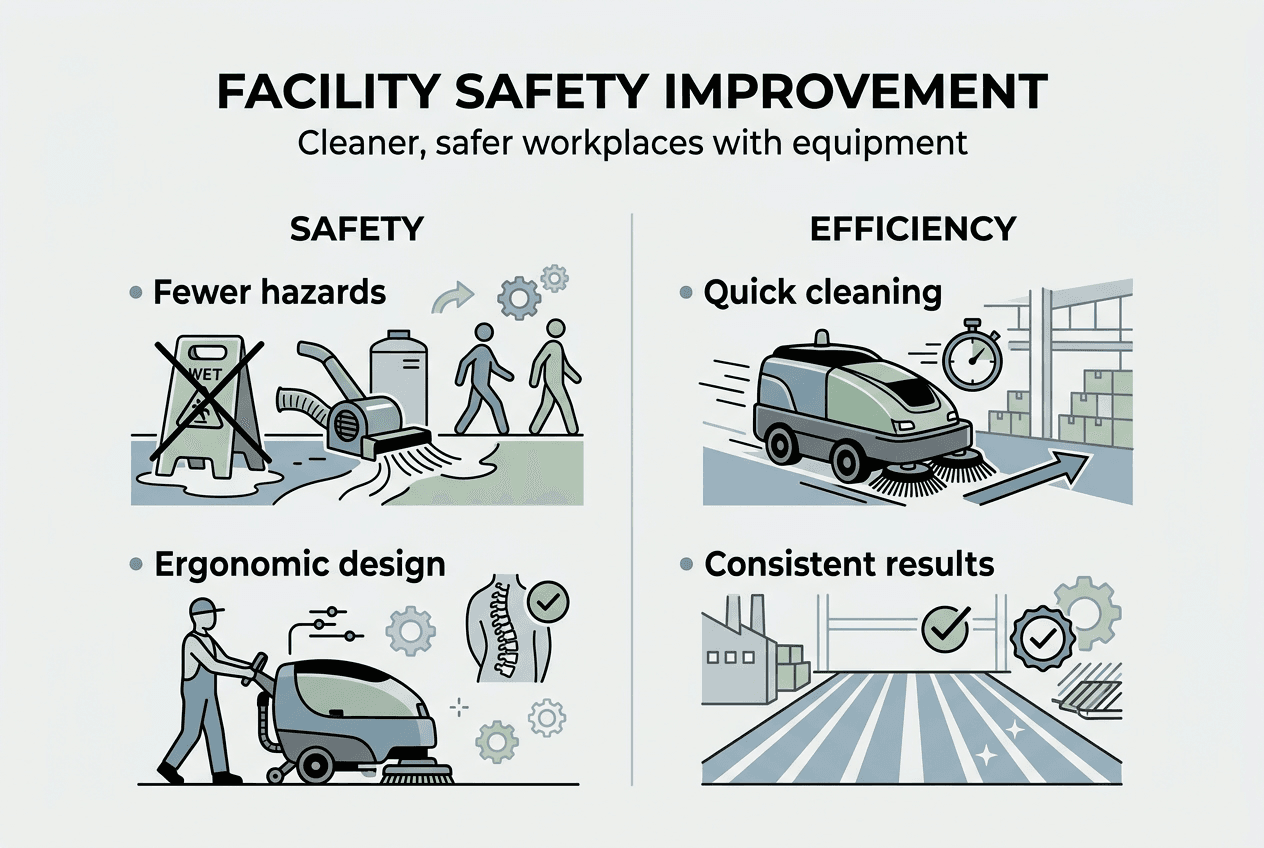
Modern equipment incorporates safety features absent from manual methods. Automated shut offs prevent accidents, ergonomic designs reduce operator strain, and built in metering systems ensure proper chemical dilution. These features protect both cleaning staff and facility occupants, addressing liability concerns that keep managers awake at night.
How industrial cleaning equipment enhances safety and efficiency
Safety improvements from industrial cleaning equipment extend beyond clean surfaces. Proper hazard removal prevents 73% of workplace slip and fall incidents, the leading cause of injury claims in commercial properties. High pressure washing eliminates algae and moss from walkways before they become lethal slip hazards. Floor scrubbers extract water completely, leaving surfaces dry and safe for immediate foot traffic.
Efficiency gains manifest in multiple dimensions. Consider these measurable improvements:
- Cleaning speed increases by 60% compared to manual methods for equivalent areas
- Labour costs decrease as fewer staff achieve superior results in less time
- Water consumption drops by 40% through controlled application and extraction
- Chemical usage reduces through precise metering and better mechanical action
- Downtime minimises as faster cleaning allows quicker facility reopening
Compliance with health and safety regulations becomes straightforward with proper equipment. The Health and Safety Executive requires employers to maintain safe working environments, including clean, hazard free surfaces. Industrial cleaning equipment provides documented, repeatable processes that satisfy regulatory audits. Many systems include data logging features that track cleaning frequency and coverage, creating compliance evidence automatically.
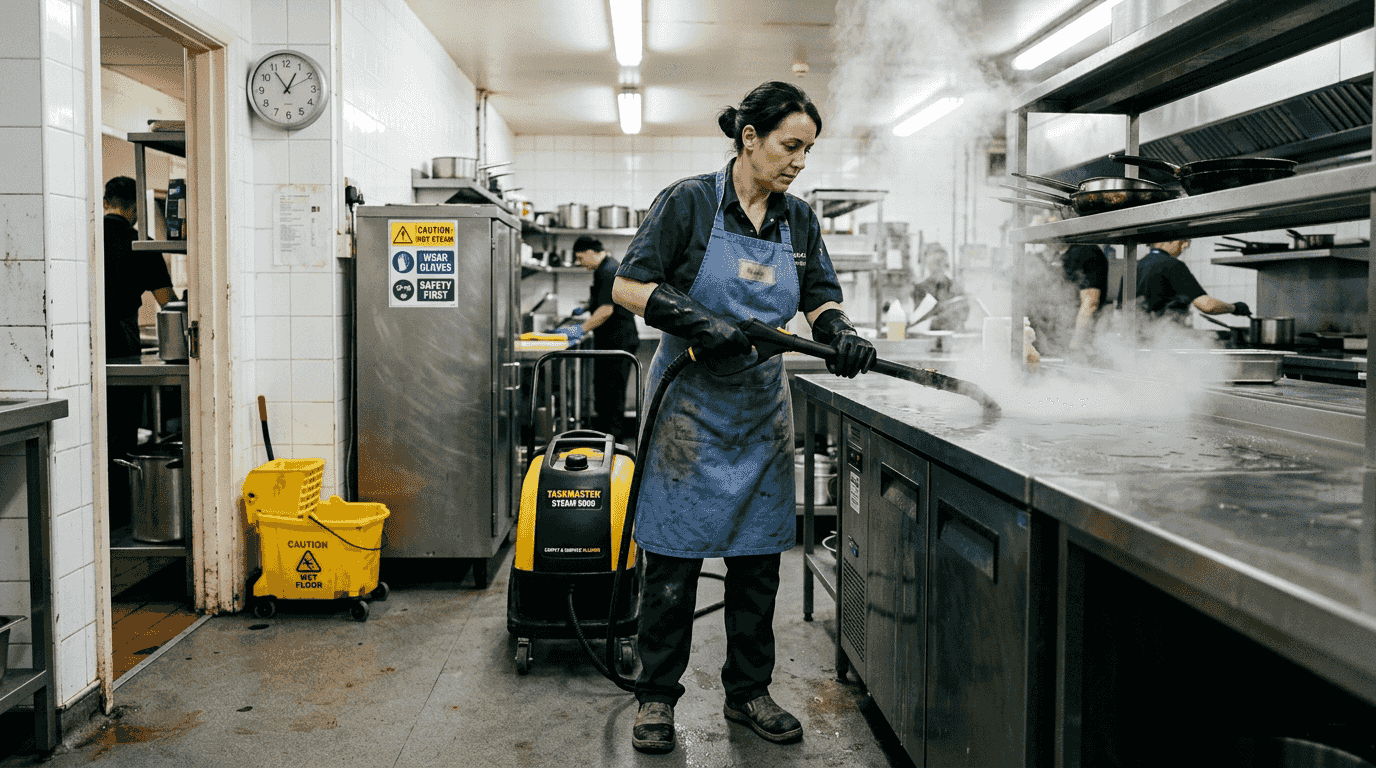
Biological hazard removal represents another critical safety dimension. Steam cleaning at 160°C eliminates 99.9% of bacteria, viruses, and fungi without chemical residues. This matters enormously in healthcare facilities, schools, and food service environments where pathogen control prevents disease outbreaks. Pressure washing removes bird droppings and other organic matter that harbour dangerous microorganisms, protecting both staff and visitors.
Pro Tip: Schedule equipment maintenance during low occupancy periods to maintain uninterrupted safety standards. Create a rotating maintenance calendar that services one third of your equipment monthly, ensuring full operational capacity remains available whilst preventing unexpected breakdowns that compromise cleaning schedules.
Productivity improvements extend beyond direct cleaning time. Staff morale increases when physical strain decreases, reducing turnover and associated recruitment costs. Equipment reliability means fewer emergency cleaning situations that disrupt normal operations. Facility users notice cleanliness improvements, enhancing reputation and potentially increasing property values or rental rates.
The economic case strengthens when calculating total cost of ownership. Whilst industrial equipment requires upfront investment, operational savings typically recover costs within 18 months. Factor in reduced injury claims, improved compliance, and enhanced facility reputation, and the return on investment becomes compelling for any serious facilities manager.
Selecting the right industrial cleaning equipment for your facility
Matching equipment to facility requirements determines success or frustration. Surface specific cleaning tools deliver optimal results whilst preventing damage from inappropriate methods. A 50,000 square foot warehouse requires different solutions than a multi tenant office building or coastal retail complex.
Facility size drives capacity requirements. Small to medium facilities (under 20,000 square feet) benefit from compact, manoeuvrable equipment. Larger operations demand industrial scale machines with greater tank capacity and wider cleaning paths. Consider these factors:
- Daily cleaning area determines required productivity rates
- Storage space availability limits equipment size options
- Staff training levels affect operational complexity tolerance
- Budget constraints influence purchase versus lease decisions
- Future expansion plans may justify oversized capacity now
| Equipment Type | Best Applications | Key Advantages | Considerations |
| — | — | — |
| Pressure Washer | Exterior surfaces, car parks, loading bays | Removes stubborn contaminants, versatile | Requires water source, outdoor use primarily |
| Floor Scrubber | Large interior floors, warehouses, retail | Fast coverage, immediate drying | Higher initial cost, maintenance needs |
| Steam Cleaner | Kitchens, healthcare, detailed cleaning | Chemical free sanitising, eco friendly | Slower than other methods, smaller coverage |
| Industrial Vacuum | Carpets, fine dust, post construction | Superior filtration, air quality | Regular filter replacement, noise levels |
Surface compatibility prevents costly damage. Natural stone requires lower pressure than concrete. Delicate surfaces need steam cleaning rather than aggressive scrubbing. Textured floors demand specific brush types for effective cleaning without accelerated wear. Consulting with professional exterior cleaning services helps identify optimal equipment for your specific surface mix.
Cost analysis should examine total ownership expenses, not just purchase price. Factor in consumables like brushes, filters, and cleaning solutions. Energy consumption varies significantly between models, affecting long term operating costs. Warranty coverage and local service availability prevent extended downtime when repairs become necessary.
Pro Tip: Request demonstration sessions from equipment suppliers before committing to purchase. Test machines on your actual surfaces during normal operating conditions. This reveals practical considerations like manoeuvrability in tight spaces, noise levels during occupied hours, and staff comfort with controls. Many suppliers offer trial periods that remove purchase risk whilst proving equipment suitability.
Balancing performance against budget requires prioritising your facility’s specific challenges. Coastal properties in Cornwall and Devon face accelerated weathering and salt accumulation, making pressure washing capability essential. Healthcare facilities prioritise sanitising power over speed. Retail environments need quiet operation during business hours. Identifying your primary pain points guides equipment selection towards solutions that address actual needs rather than impressive specifications.
Best practices for operating and maintaining industrial cleaning equipment
Proper operation extends equipment lifespan whilst maintaining safety and performance standards. Standard operating procedures prevent accidents and equipment damage. Operators should complete manufacturer training before independent use, understanding both capabilities and limitations of each machine.
Pressure washer operation requires specific safety protocols:
- Inspect hoses and connections for wear or damage before each use
- Test spray pattern on inconspicuous areas to verify appropriate pressure
- Maintain proper distance from surfaces to prevent damage or injury
- Wear appropriate personal protective equipment including eye protection and non slip footwear
- Never point the spray wand at people, animals, or electrical fixtures
- Relieve system pressure completely before disconnecting hoses or changing nozzles
Floor scrubber maintenance prevents costly breakdowns. Daily tasks include emptying and rinsing recovery tanks, removing debris from squeegee blades, and checking solution levels. Weekly maintenance involves inspecting brushes for wear, cleaning filter screens, and checking battery water levels on electric models. Monthly servicing should include drive belt inspection, wheel bearing lubrication, and thorough machine cleaning.
Common pitfalls that shorten equipment life include:
- Using incorrect cleaning chemicals that damage seals and pumps
- Neglecting post use cleaning, allowing residue to harden in systems
- Storing equipment in freezing conditions without proper winterisation
- Ignoring minor issues until they become major failures
- Operating equipment beyond rated capacity or duty cycle
- Skipping operator training to save time or money
Safety measures protect both operators and facility occupants. Establish exclusion zones around operating equipment, using barriers or signage as appropriate. Schedule noisy operations during low occupancy periods. Ensure adequate ventilation when using cleaning chemicals indoors. Maintain equipment in proper working order to prevent leaks, electrical hazards, or mechanical failures.
Maintenance checklists create accountability and consistency. Digital tracking systems can alert managers to upcoming service requirements, preventing forgotten maintenance that leads to breakdowns. Many modern machines include hour meters that trigger service reminders based on actual usage rather than arbitrary time intervals.
Operator comfort affects both safety and productivity. Adjust machine settings to match operator size and strength. Rotate staff between different tasks to prevent repetitive strain injuries. Provide adequate breaks during extended cleaning sessions. Well rested, comfortable operators make fewer mistakes and notice potential problems before they become serious.
Manufacturer guidelines specify service intervals and procedures for each equipment type. Following these recommendations maintains warranty coverage whilst ensuring reliable performance. Many suppliers offer service contracts that handle scheduled maintenance, reducing your administrative burden whilst guaranteeing professional attention.
Explore professional industrial cleaning solutions in Cornwall and Devon
Achieving optimal facility cleanliness requires both proper equipment and expert technique. Professional cleaning services combine industrial grade tools with years of experience, delivering results that exceed in house capabilities. Our team serves facilities managers across Cornwall and Devon with reliable, fully insured exterior cleaning services tailored to your property’s specific requirements.
We employ the latest industrial equipment alongside eco friendly products, ensuring safe, efficient cleaning that protects your property and the environment. Our commercial exterior cleaning specialists understand the unique challenges facing Cornwall and Devon properties, from coastal salt accumulation to weathering from Atlantic conditions. Whether you need regular maintenance programmes or one off deep cleaning projects, our professional services deliver spotless results that enhance safety and appearance. Contact us today to discuss how industrial cleaning solutions can transform your facility’s maintenance standards.
Frequently asked questions
What types of industrial cleaning equipment are best for different surfaces?
Pressure washers excel on concrete, tarmac, and robust exterior surfaces, removing embedded dirt and biological growth effectively. Floor scrubbers suit large interior spaces with sealed flooring, providing fast coverage with immediate drying. Steam cleaners work brilliantly on delicate materials, tile grout, and areas requiring chemical free sanitising like food preparation zones. Match equipment capability to surface durability and cleaning objectives for optimal results. Explore commercial cleaning approaches to understand surface specific requirements.
How often should industrial cleaning equipment be maintained?
Daily maintenance includes emptying tanks, rinsing components, and visual inspections for damage or wear. Weekly tasks involve checking consumables like brushes and filters, plus testing safety features. Monthly servicing should include thorough cleaning, lubrication, and detailed inspections following manufacturer schedules. Annual professional servicing by qualified technicians ensures continued reliability and warranty compliance. Consistent maintenance prevents 85% of equipment failures whilst extending operational lifespan significantly. Review maintenance best practices for detailed guidance.
Can industrial cleaning equipment improve compliance with safety regulations?
Absolutely. Proper industrial cleaning eliminates slip hazards, removes biological contaminants, and maintains hygienic conditions required by health and safety legislation. Equipment with data logging capabilities provides documented evidence of cleaning frequency and coverage for regulatory audits. Using certified, properly maintained equipment demonstrates due diligence in meeting employer obligations under Health and Safety Executive guidelines. Many facilities reduce insurance premiums through improved safety records directly attributable to professional cleaning equipment. Understanding common compliance mistakes helps ensure your approach meets all regulatory requirements.
Recommended
- Commercial Exterior Cleaning – jetpowerpressurewashing.co.uk
- Services – jetpowerpressurewashing.co.uk
- Unveiling the Real Benefits: The Ultimate Guide to Professional Solar Panel Cleaning and Its Impact on Efficiency and Savings! – jetpowerpressurewashing.co.uk
- The Benefits of Commercial Solar Panel Cleaning – jetpowerpressurewashing.co.uk
- Wasp Nest Removal Ohio – Call Apex Pest Control 1-800-684-2284
- Dezinfecție – Preț de la 200 lei – DrClean.ro