Many property owners confuse soft washing with pressure washing, but these methods differ fundamentally in approach and results. Soft washing uses low-pressure water combined with specialised cleaning solutions to remove algae, mould, and dirt without damaging delicate surfaces. This eco-friendly technique has become increasingly popular amongst home and business owners in Cornwall and Devon who want effective exterior cleaning whilst protecting their properties and the environment. Understanding how soft washing works helps you make informed decisions about maintaining your property’s appearance and structural integrity.
Table of Contents
- What Is Soft Washing And How Does It Work?
- Why Home And Business Owners In Cornwall And Devon Prefer Soft Washing
- Soft Washing Versus Pressure Washing: Key Differences And When To Choose Each
- How To Get Started With Professional Soft Washing Services In Cornwall And Devon
- Explore Professional Soft Washing Services In Cornwall And Devon
Key takeaways
| Point | Details |
|---|---|
| Gentle cleaning method | Soft washing combines low-pressure water with biodegradable chemicals to clean surfaces safely |
| Environmental benefits | Uses eco-friendly solutions that protect Cornwall and Devon’s sensitive coastal ecosystems |
| Surface protection | Prevents damage to delicate materials like render, roofs, and painted surfaces |
| Long-lasting results | Treats biological growth at its source, extending time between cleaning sessions |
What is soft washing and how does it work?
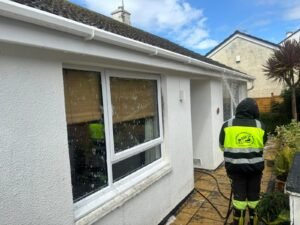
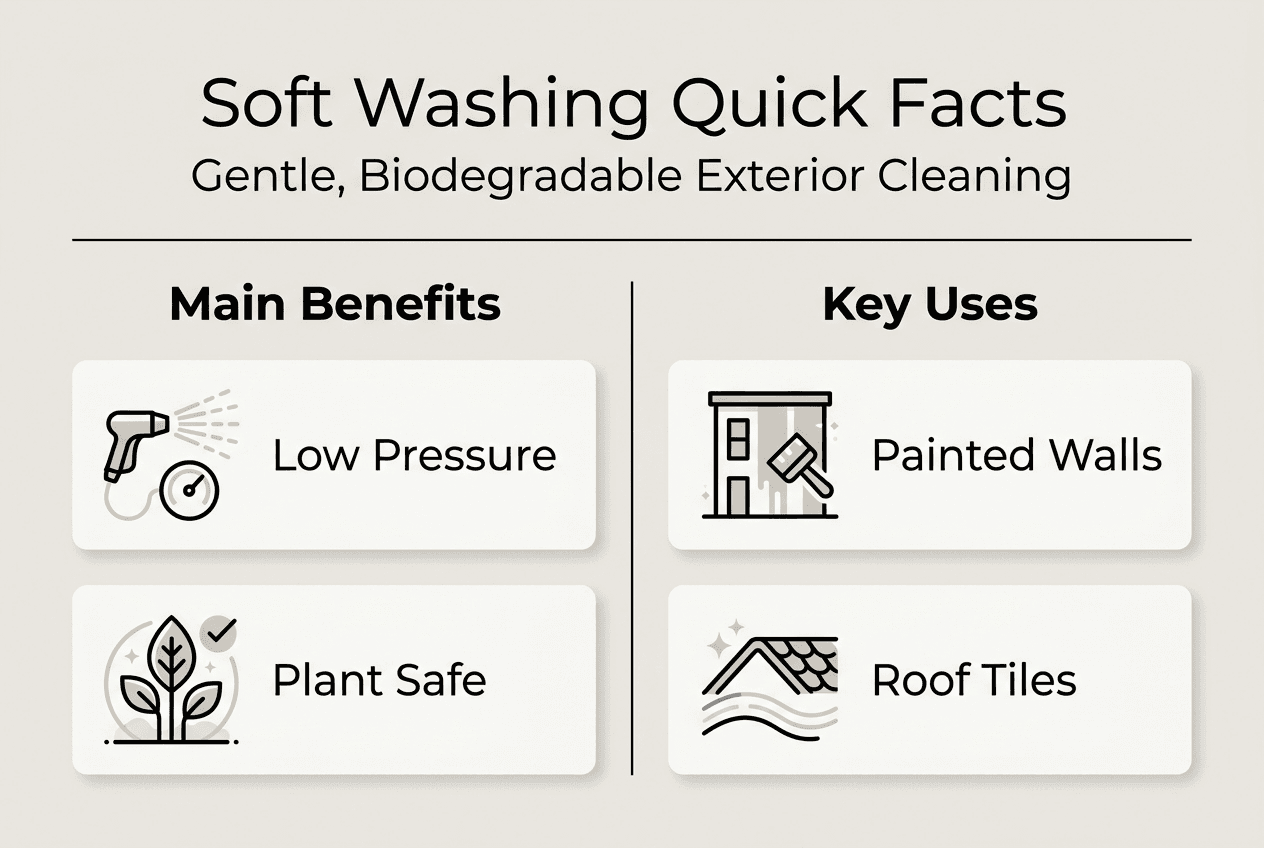
Soft washing represents a fundamental shift from traditional cleaning methods. Rather than relying on forceful water jets, this technique uses low-pressure water combined with eco-friendly cleaning agents to clean surfaces gently yet effectively. The process targets biological growth at a molecular level, breaking down algae, mould, lichen, and mildew without physical abrasion.
The method works through carefully formulated detergents applied at low pressure, typically around 100 PSI compared to pressure washing’s 3000 PSI or higher. These specialised solutions penetrate porous surfaces and kill organic matter at its roots. After the chemicals dwell for the appropriate time, a gentle rinse removes dead growth and residue, leaving surfaces clean without stress or damage.
Professional exterior cleaning services typically apply soft washing to various surfaces:
- Roof tiles and slates requiring delicate treatment
- Rendered walls prone to damage from high pressure
- Painted surfaces where forceful cleaning strips coatings
- Wooden cladding and decking vulnerable to splintering
- UPVC windows and conservatories needing gentle care
The chemical formulations used in soft washing vary based on surface type and contamination level. Sodium hypochlorite solutions effectively kill biological growth, whilst surfactants help solutions spread evenly and penetrate deeply. Biodegradable options ensure minimal environmental impact, particularly important in Cornwall and Devon’s protected coastal areas.
Unlike pressure washing that simply blasts away surface dirt, soft washing addresses the underlying causes of discolouration and growth. This preventative approach means surfaces stay cleaner longer, reducing maintenance frequency and costs. The gentle nature of the process also eliminates risks associated with high-pressure water, such as forcing moisture behind render or damaging pointing between bricks.
Why home and business owners in Cornwall and Devon prefer soft washing
Cornwall and Devon’s coastal climate creates perfect conditions for biological growth on building exteriors. Salt-laden air, high humidity, and mild temperatures encourage moss, algae, and lichen to thrive on roofs, walls, and pathways. These organisms don’t just look unsightly; they retain moisture against surfaces, accelerating weathering and potentially causing structural damage over time.
Soft washing addresses these regional challenges effectively whilst respecting environmental sensitivities. The method uses biodegradable and low-impact chemicals, ideal for Cornwall and Devon’s protected landscapes and waterways. Properties near designated Areas of Outstanding Natural Beauty or Sites of Special Scientific Interest particularly benefit from this eco-conscious approach.
The technique delivers multiple advantages for property owners:
- Extends roof lifespan by removing growth that traps moisture and damages tiles
- Prevents premature degradation of render and painted surfaces
- Eliminates health hazards from mould spores and allergens
- Maintains property value through consistent exterior appearance
- Reduces long-term maintenance costs compared to frequent repainting
Pro Tip: Schedule soft washing treatments every 18 to 24 months to prevent biological growth from establishing deep roots, significantly reducing the need for costly repainting or surface repairs.
The benefits of clean house exteriors extend beyond aesthetics. Regular soft washing removes corrosive substances before they compromise building materials. Algae and lichen produce acids that slowly erode stone, concrete, and render. By eliminating these organisms promptly, you protect your investment and avoid expensive restoration work.
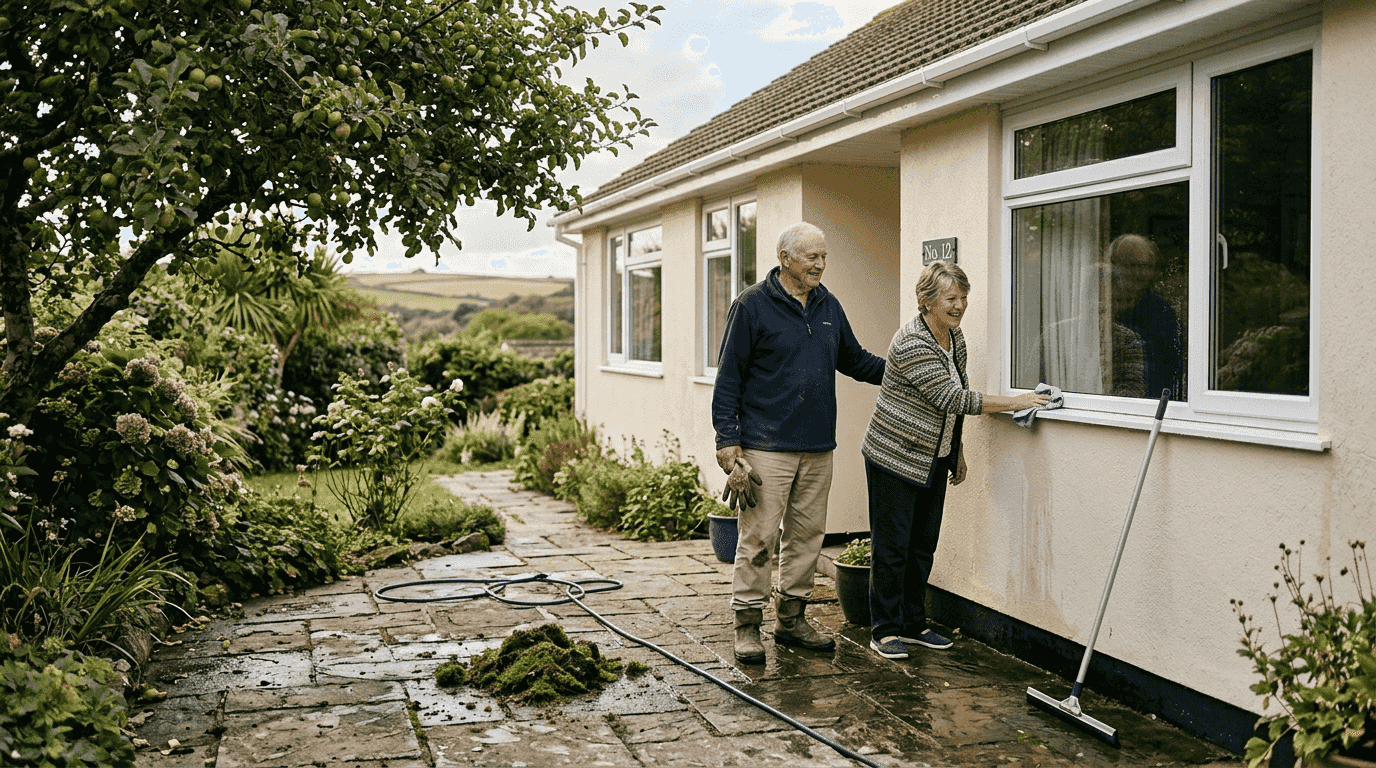
Professional soft washing services understand local conditions and tailor treatments accordingly. Cornwall’s north coast faces different challenges than Devon’s sheltered valleys, requiring adjusted chemical concentrations and application techniques. Experienced providers assess each property individually, ensuring optimal results without environmental harm or surface damage.
The method’s safety profile makes it suitable for occupied properties and sensitive locations. Unlike high-pressure washing that creates hazardous spray zones, soft washing produces minimal overspray and doesn’t damage nearby plants when applied correctly. This consideration matters greatly in densely planted gardens and conservation areas common throughout the region.
Soft washing versus pressure washing: key differences and when to choose each
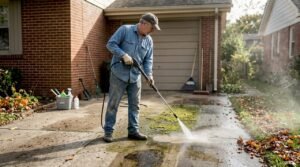
Understanding the distinction between these methods prevents costly mistakes and property damage. Pressure washing relies on water velocity, typically operating between 2000 and 4000 PSI, to physically remove dirt and contaminants. This brute-force approach works well on robust surfaces like concrete driveways and paved areas but poses significant risks to more delicate materials.
Soft washing is ideal for delicate surfaces and environmentally sensitive areas, whilst pressure washing suits hard, robust surfaces needing grime removal. The chemical action in soft washing treats biological growth at its source, preventing regrowth for extended periods. Pressure washing merely removes visible contamination without addressing underlying spores and roots.
| Aspect | Soft Washing | Pressure Washing |
|---|---|---|
| Water pressure | 100-500 PSI | 2000-4000 PSI |
| Primary cleaning agent | Specialised detergents | Water force |
| Best applications | Roofs, render, painted surfaces, cladding | Concrete, paving, brick patios |
| Damage risk | Minimal when applied correctly | High for soft materials |
| Environmental impact | Low with biodegradable chemicals | Moderate due to runoff volume |
| Results longevity | 18-24 months typically | 6-12 months typically |
The wrong choice causes preventable damage. Pressure washing painted render often strips coatings, exposing substrate to weathering. High-pressure water forced under roof tiles lifts them or drives moisture into roof spaces, creating damp problems. Wooden surfaces splinter and scar under excessive pressure, requiring sanding and refinishing to restore appearance.
Conversely, soft washing proves less effective on certain applications. Heavy oil stains on concrete driveways or ingrained dirt on paving slabs often require pressure washing’s mechanical action. Chewing gum removal, graffiti treatment, and preparation for painting sometimes necessitate higher pressure approaches.
Pro Tip: Assess your surface material before choosing a cleaning method; selecting the wrong approach causes damage requiring expensive repairs and potentially voiding insurance coverage for professional work.
Many properties benefit from combined approaches. A professional service might soft wash rendered walls and roofs whilst pressure washing concrete paths and patios. This tailored strategy delivers optimal results across different surface types without compromising safety or effectiveness.
The cost difference between methods often surprises property owners. Whilst soft washing may carry slightly higher initial costs due to specialised chemicals, the extended intervals between treatments and reduced damage risk make it more economical long-term. Pressure washing’s lower per-visit cost becomes less attractive when frequent reapplication and repair expenses accumulate.
Consider your property’s specific needs when deciding. Listed buildings, properties with heritage features, and homes in conservation areas almost always require soft washing to meet preservation guidelines. Modern render systems, particularly those with insulation backing, strictly prohibit high-pressure cleaning that could compromise weather seals.
How to get started with professional soft washing services in Cornwall and Devon
Selecting the right professional soft washing services requires careful consideration of several factors. Start by researching local specialists with proven experience in Cornwall and Devon’s unique climate conditions. Coastal properties face different challenges than inland locations, requiring providers who understand salt exposure, prevailing winds, and regional biological growth patterns.
Verify that potential providers use genuinely biodegradable, safe cleaning solutions rather than harsh chemicals that harm plants and wildlife. Request information about their product formulations and environmental certifications. Reputable companies willingly discuss their chemical choices and explain how they protect surrounding vegetation during application.
Follow these steps to ensure successful soft washing:
- Research and contact at least three local specialists for quotes and consultations
- Verify full insurance coverage including public liability and professional indemnity
- Request references from similar properties in your area
- Confirm they conduct site surveys before quoting to assess specific requirements
- Secure loose outdoor items like furniture, plant pots, and decorative features
- Trim vegetation away from walls to allow proper access and coverage
- Inform neighbours about scheduled work, particularly regarding chemical application
- Ensure windows and doors close properly to prevent interior exposure
Professional service typically begins with thorough property inspection. Technicians identify surface types, assess contamination levels, and note any pre-existing damage or sensitive areas requiring special attention. This evaluation determines appropriate chemical strengths, application methods, and dwell times for optimal results.
During treatment, specialists apply cleaning solutions systematically, working from bottom to top on vertical surfaces to ensure even coverage. The chemicals require specific contact time to work effectively, usually between 15 and 30 minutes depending on growth severity and surface porosity. Rushing this stage compromises results and may necessitate retreatment.
The gentle rinse phase removes dead organic matter and residual chemicals without damaging surfaces. Professional exterior cleaning services use controlled water flow that cleans thoroughly whilst respecting material limitations. They also check for any missed areas and apply spot treatments where necessary.
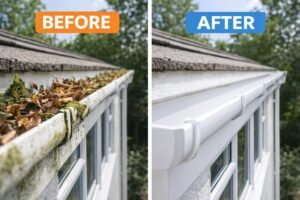
Post-service care maximises treatment longevity. Keep gutters clear to prevent water overflow that encourages biological growth. Trim overhanging branches that shade surfaces and retain moisture. Consider applying protective coatings to vulnerable areas after soft washing to further extend results.
Understanding the exterior cleaning guide Cornwall and Devon principles helps you maintain results between professional treatments. Simple measures like regular gutter cleaning and prompt removal of fallen leaves prevent conditions that promote rapid regrowth.
Expect visible results immediately after treatment, with full effects becoming apparent within 48 hours as remaining dead growth naturally weathers away. Some heavily contaminated surfaces may show gradual improvement over several weeks as deep-rooted organisms die completely. Patience during this period ensures you don’t schedule unnecessary retreatments.
Explore professional soft washing services in Cornwall and Devon
Maintaining your property’s exterior requires expertise, proper equipment, and eco-friendly solutions tailored to local conditions. Jetpowerpressurewashing.co.uk delivers comprehensive soft washing and exterior cleaning specifically designed for Cornwall and Devon properties.
Their approach combines industrial-grade equipment with biodegradable products, ensuring safe and effective cleaning that preserves both property value and environmental integrity. Whether you need residential exterior refreshment or commercial exterior cleaning services, their fully insured team provides reliable results at competitive rates.
Explore their range of services through detailed guides covering everything from basic maintenance to comprehensive restoration. The exterior cleaning guide Cornwall homes resource offers valuable insights for homeowners, whilst business owners benefit from specialised commercial solutions.
Visit their professional exterior cleaning services page to learn more about customised cleaning plans, book consultations, and discover how expert soft washing protects your investment whilst respecting Cornwall and Devon’s beautiful environment.
What is soft washing? Frequently asked questions
What surfaces can be soft washed safely?
Soft washing safely treats most exterior surfaces including roof tiles, slate, render, painted walls, UPVC cladding, wooden decking, and conservatories. The gentle, low-pressure approach makes it ideal for delicate materials that high-pressure washing would damage. Professional technicians adjust chemical formulations and application techniques based on specific surface types and contamination levels.
How often should I schedule soft washing for my property?
Most properties in Cornwall and Devon benefit from soft washing every 18 to 24 months, though frequency depends on location and environmental factors. Properties with significant tree coverage or facing prevailing winds may require more frequent treatment. Regular maintenance prevents heavy biological growth establishment, reducing treatment intensity and costs over time.
Is soft washing safe for plants and pets?
Professional soft washing uses biodegradable chemicals that pose minimal risk when applied correctly. Technicians protect surrounding vegetation by pre-wetting plants and covering sensitive specimens during treatment. Once surfaces are rinsed and dried, typically within a few hours, the area becomes completely safe for pets and wildlife.
Can soft washing remove all types of stains?
Soft washing excels at removing biological stains like algae, mould, lichen, and mildew. It also effectively treats atmospheric dirt and general weathering. However, certain stains such as rust, oil, or paint require different treatment approaches. Professional assessments identify appropriate methods for specific contamination types.
How long does a soft washing treatment take on average?
Typical residential soft washing takes between two and four hours depending on property size and contamination severity. This includes preparation, chemical application, dwell time, and thorough rinsing. Larger commercial properties or heavily soiled surfaces may require extended treatment periods. Weather conditions also influence timing, as rain within 24 hours can affect results.
Recommended
- 5 Reasons Why Soft Washing Your Home Beats Painting: The Ultimate Guide to Render Cleaning Services – jetpowerpressurewashing.co.uk
- Render Cleaning – jetpowerpressurewashing.co.uk
- Why clean house exteriors boost value and longevity in 2026 – jetpowerpressurewashing.co.uk
- Green Cleaning: So reinigen Sie nachhaltig – ohne Leistungseinbußen –