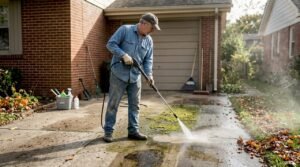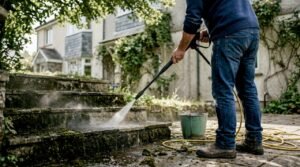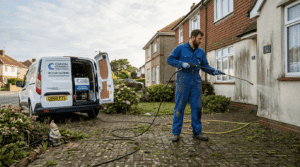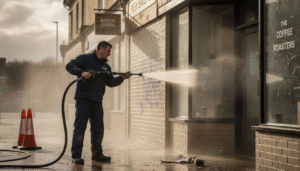
Your business premises are the first impression customers and clients see, yet grime, algae, and pollutants steadily accumulate on exterior surfaces, diminishing your professional image and property value. Pressure washing offers a proven solution to restore your commercial property’s appearance, but the process requires careful execution to avoid costly surface damage. This guide walks you through the complete pressure washing process tailored for business owners and facilities managers in Cornwall and Devon, from initial preparation through to post-cleaning verification and maintenance planning.
Table of Contents
- Understanding The Pressure Washing Process And Its Benefits For Businesses
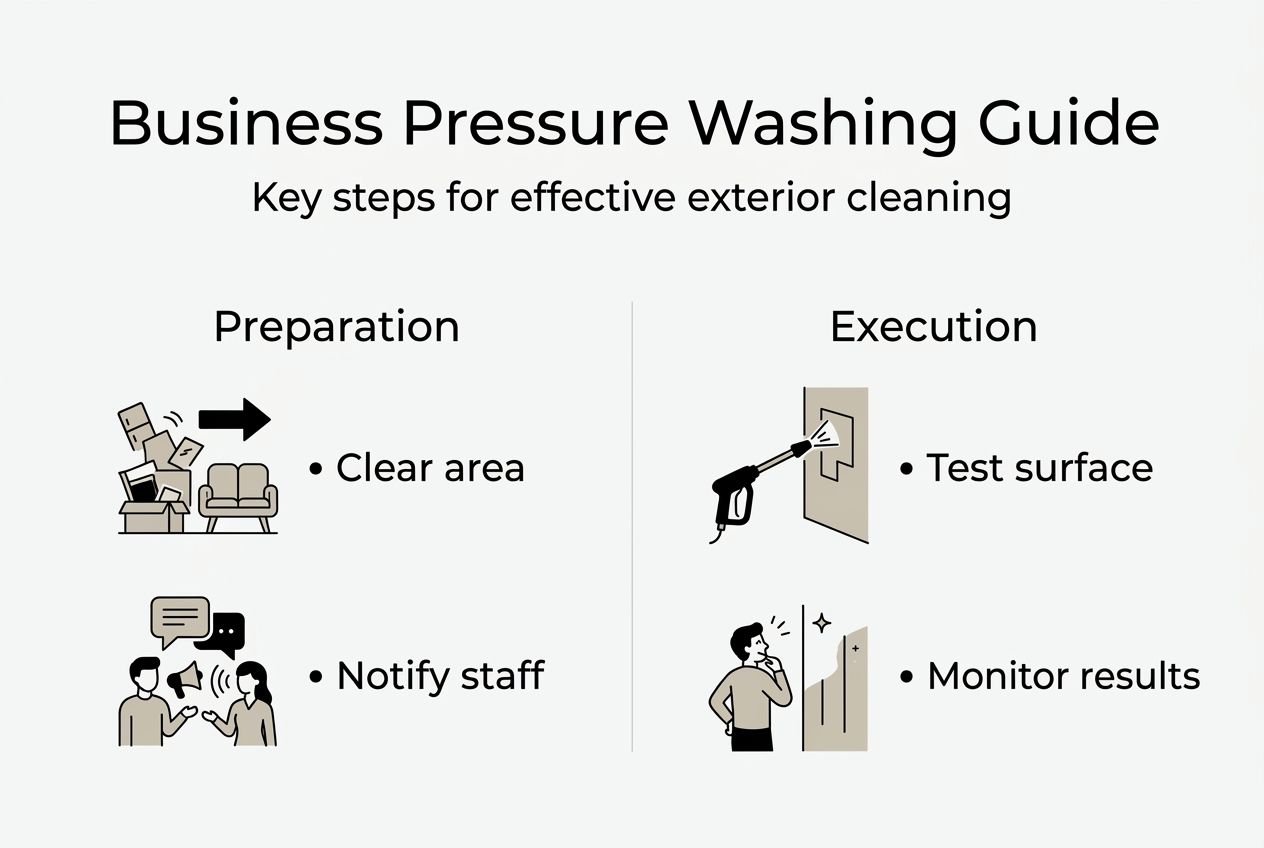
- Preparing Your Business Property For Pressure Washing
- Executing The Pressure Washing Process Safely And Effectively
- Checking Results And Planning Future Maintenance
- Why Choose Professional Pressure Washing Services In Cornwall And Devon?
Key takeaways
| Point | Details |
|---|---|
| High-pressure cleaning | Pressure washing uses high-pressure water jets ranging from 1,000 to 4,000 psi to remove stubborn dirt and organic matter from business exteriors. |
| Preparation is essential | Clearing the area, protecting vulnerable items, and selecting appropriate weather conditions ensure safe and effective cleaning results. |
| Correct technique matters | Using systematic overlapping strokes with proper pressure settings prevents surface damage whilst achieving thorough coverage. |
| Regular maintenance planning | Inspecting cleaned surfaces and scheduling routine pressure washing every 6 to 12 months prolongs surface lifespan and maintains professional appearance. |
Understanding the pressure washing process and its benefits for businesses
Pressure washing employs high-pressure water jets to remove dirt, debris, and organic matter from surfaces, typically operating between 1,000 and 4,000 psi depending on the surface type and cleaning requirements. This mechanical cleaning method proves particularly effective for commercial properties where traditional cleaning approaches fail to tackle ingrained grime, oil stains, and biological growth. Business owners in Cornwall and Devon face unique challenges from the region’s maritime climate, which accelerates algae and moss accumulation on exterior surfaces.
Commercial pressure washing addresses numerous surface types across business premises:
- Paving and car parks where vehicle traffic deposits oil and tyre marks
- Building facades including brick, render, and cladding that collect atmospheric pollutants
- Loading bays and industrial areas with stubborn grease and chemical residues
- Outdoor seating areas and entrances requiring pristine presentation for customers
The benefits extend beyond mere aesthetics. Enhanced curb appeal directly influences customer perceptions and can increase footfall to retail premises. Improved hygiene standards matter particularly for food service businesses, healthcare facilities, and hospitality venues where cleanliness directly impacts regulatory compliance and public health. Regular pressure washing prolongs surface lifespan by removing corrosive substances and preventing biological growth that accelerates material degradation.
Professional exterior cleaning services understand how Cornwall and Devon’s coastal environment demands specialised approaches. Salt spray, persistent moisture, and moderate temperatures create ideal conditions for organic growth that standard cleaning cannot adequately address. Industrial grade equipment combined with appropriate cleaning agents ensures thorough results without compromising surface integrity.
Pro Tip: Schedule pressure washing during dry spells in spring or autumn when temperatures remain moderate, allowing surfaces to dry completely and preventing rapid re-soiling from seasonal weather patterns.
Preparing your business property for pressure washing
Thorough preparation separates successful pressure washing from disappointing results or potential property damage. Begin by conducting a comprehensive site survey to identify obstacles, vulnerable items, and areas requiring special attention. Remove or protect outdoor furniture, signage, potted plants, and decorative features that could suffer water damage or obstruct cleaning access. Cover electrical fixtures, external power outlets, and ventilation systems with waterproof sheeting secured with tape to prevent water ingress.
Staff and customer communication prevents disruption and safety incidents. Notify employees about cleaning schedules at least 48 hours in advance, particularly if certain areas will become temporarily inaccessible. Post clear signage warning customers about wet surfaces and restricted zones during the cleaning process. For retail premises, consider scheduling work outside trading hours to minimise impact on business operations and customer experience.
Weather conditions dramatically influence pressure washing effectiveness and safety. Avoid cleaning during frost, as freezing temperatures can cause water to ice on surfaces, creating slip hazards and potentially damaging porous materials through freeze-thaw cycles. Strong winds disperse water spray unpredictably, reducing cleaning efficiency and potentially affecting neighbouring properties. Light cloud cover proves ideal, as direct sunlight causes cleaning solutions to dry too quickly before they can work effectively.
Surface assessment determines appropriate pressure settings and cleaning agents:
- Concrete and tarmac tolerate higher pressures up to 3,500 psi
- Brick and stone require moderate pressures between 1,500 and 2,500 psi
- Render and painted surfaces need gentler approaches below 1,500 psi
- Timber decking and cladding demand specialist low-pressure techniques
Test a small, inconspicuous area first to verify that chosen settings achieve desired results without causing surface erosion or discolouration. Document any pre-existing damage through photographs to distinguish between prior deterioration and potential cleaning-related issues. Review preparation tips to ensure comprehensive site readiness.
Executing the pressure washing process safely and effectively
Successful pressure washing execution demands methodical technique and constant vigilance to prevent surface damage whilst achieving thorough cleaning. Follow this systematic approach:
-
Select appropriate equipment and pressure settings based on surface type and soiling severity. Match nozzle selection to the task, using wider fan patterns for general cleaning and narrower jets for stubborn stains. Adjust pressure gradually, starting lower and increasing only if necessary to achieve satisfactory results.
-
Apply pre-treatment solutions where heavy soiling, biological growth, or oil stains require chemical assistance. Allow detergents adequate dwell time, typically 5 to 10 minutes, to break down contaminants before rinsing. Eco-friendly cleaning agents prove particularly important for businesses near watercourses or sensitive environments.
-
Employ systematic overlapping strokes working from top to bottom to ensure complete coverage without missing patches. Maintain consistent distance from the surface, typically 30 to 45 centimetres, adjusting closer for stubborn areas and further back for delicate materials. Overlap each pass by approximately one-third to avoid striping patterns.
-
Rinse thoroughly and inspect frequently throughout the process to verify cleaning effectiveness and detect any surface reactions. Remove all cleaning solution residues, as dried chemicals can leave unsightly marks or attract dirt more rapidly. Check corners, edges, and architectural details where debris tends to accumulate.
-
Adjust technique to protect vulnerable surfaces particularly masonry and delicate cladding. Pressure washing can erode masonry, dislodge mortar, or accelerate weathering if used incorrectly. Reduce pressure, increase distance, or switch to alternative cleaning methods when encountering friable materials or historic features.
Pro Tip: Keep the spray wand moving continuously in smooth, controlled motions rather than dwelling on one spot, which can etch patterns into softer surfaces or drive water beneath protective coatings.
“The difference between amateur and professional pressure washing lies not in equipment power, but in understanding how different surfaces respond to varying pressures and techniques.”
Explore comprehensive pressure washing methods that balance cleaning effectiveness with surface preservation. Professional operators adjust their approach dynamically based on real-time observations, recognising subtle signs that indicate when to modify pressure, distance, or angle.
Checking results and planning future maintenance
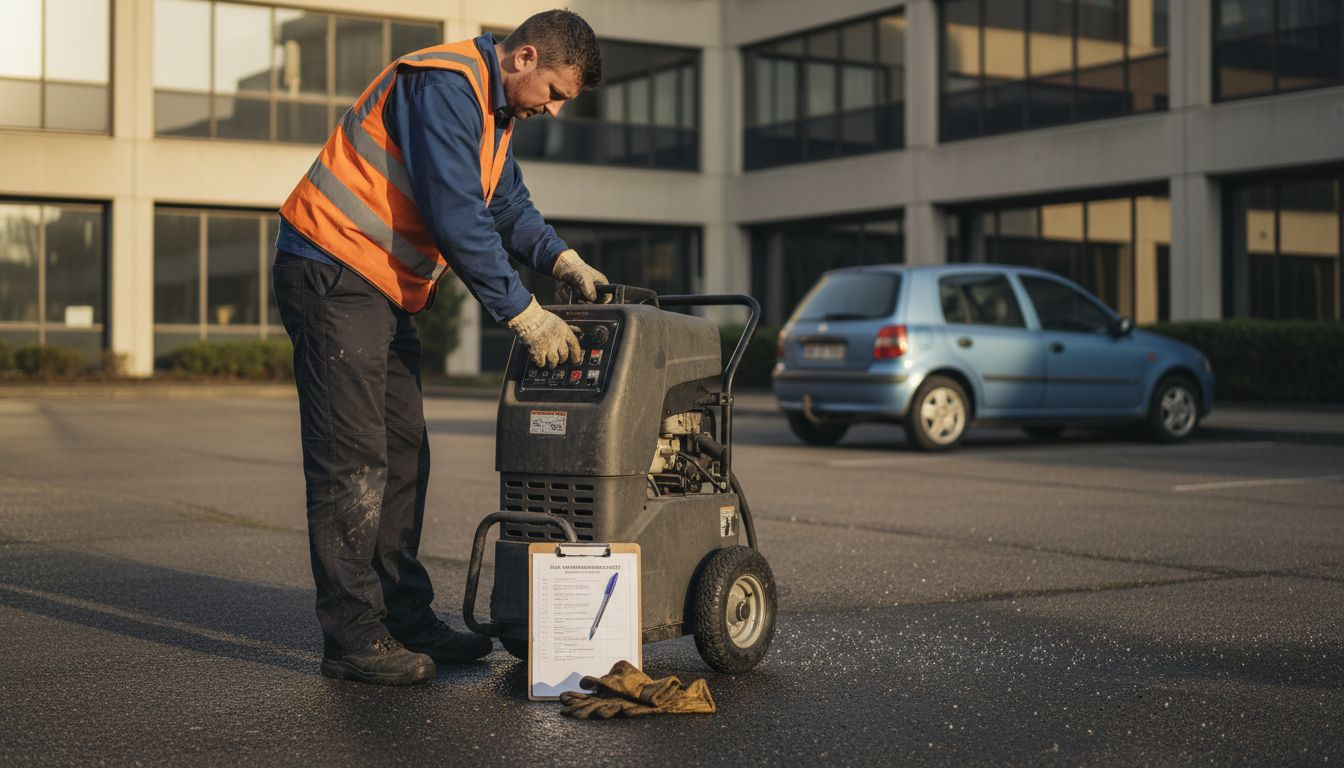
Post-cleaning inspection verifies work quality and identifies any issues requiring remedial attention. Conduct a systematic walkthrough once surfaces have dried sufficiently, typically 2 to 4 hours after cleaning depending on weather conditions and surface porosity. Look for missed spots, streaking, or uneven cleaning patterns that indicate incomplete coverage or inconsistent technique. Check corners, edges, and architectural details where debris often remains trapped despite thorough cleaning efforts.
Monitor for signs of potential surface damage:
- Exposed aggregate or eroded mortar joints indicating excessive pressure
- Discolouration or fading suggesting chemical reaction or surface etching
- Spalling or flaking where water has penetrated protective coatings
- Loose or damaged cladding fixings disturbed by high-pressure spray
Document findings through photographs and written notes, creating a baseline record for future maintenance planning. This documentation proves invaluable for insurance purposes should disputes arise regarding pre-existing versus cleaning-related damage.
| Surface Type | Recommended Cleaning Frequency | Typical Soiling Factors |
|---|---|---|
| Car parks and paving | Every 6 months | Vehicle emissions, tyre marks, oil deposits |
| Building facades | Every 12 months | Atmospheric pollutants, biological growth |
| Loading bays | Every 3 to 6 months | Industrial residues, heavy soiling |
| Customer-facing areas | Every 6 to 9 months | Foot traffic, aesthetic maintenance |
Scheduling regular pressure washing prevents heavy soiling accumulation that requires aggressive cleaning techniques potentially damaging to surfaces. Proactive maintenance costs less than reactive deep cleaning and extends surface lifespan by preventing biological growth from establishing deep root systems within porous materials. Cornwall and Devon’s maritime climate accelerates organic growth, making consistent maintenance schedules particularly important for coastal businesses.
Consider professional maintenance contracts that provide scheduled cleaning at predetermined intervals, ensuring consistent exterior presentation without requiring ongoing management attention. Contracted services typically offer priority scheduling, preferential rates, and guaranteed response times for urgent cleaning requirements.
Why choose professional pressure washing services in Cornwall and Devon?
Navigating the complexities of commercial pressure washing requires expertise that balances cleaning effectiveness with surface preservation. Professional services bring industrial grade equipment, comprehensive insurance coverage, and years of experience handling diverse surface types and soiling conditions specific to Cornwall and Devon’s unique environment. Skilled operators recognise subtle surface characteristics that indicate when to adjust pressure, modify technique, or employ alternative cleaning methods.

Attempting pressure washing without proper training risks costly surface damage, personal injury, and potential liability for damage to neighbouring properties. Professional commercial exterior cleaning services deliver consistent results whilst protecting your property investment. Comprehensive service offerings address everything from routine maintenance to specialist treatments for historic buildings, delicate materials, and heavily soiled industrial sites.
Explore professional pressure washing services that understand local conditions and regulatory requirements. Trusted providers offer free site assessments, transparent pricing, and flexible scheduling that minimises disruption to your business operations. Learn more about exterior cleaning approaches tailored to regional needs.
FAQ
How often should businesses have their exteriors pressure washed?
Most commercial properties benefit from pressure washing every 6 to 12 months depending on location, surface exposure, and business type. Customer-facing premises in high-traffic areas may require more frequent cleaning every 3 to 6 months to maintain professional appearance. Coastal locations in Cornwall and Devon typically need more regular attention due to salt spray and accelerated biological growth.
Can pressure washing damage my business property?
Improper pressure washing techniques can cause significant damage including eroded masonry, dislodged mortar, stripped paint, and water ingress beneath protective coatings. Pressure washing can erode masonry, dislodge mortar, or accelerate weathering if used incorrectly. Professional operators understand how to match pressure settings, nozzle selection, and cleaning agents to specific surface types, preventing damage whilst achieving thorough cleaning results.
Is pressure washing suitable for all types of business surfaces?
Most common commercial surfaces including concrete, tarmac, brick, and modern cladding respond well to pressure washing when appropriate techniques are employed. Delicate materials such as soft sandstone, historic render, timber, and certain decorative finishes may require alternative cleaning methods like steam cleaning or chemical treatments. Professional assessment identifies the most suitable approach for your specific surfaces.
What should I do to prepare my business property before pressure washing?
Clear the area of movable items, protect electrical fixtures and ventilation systems with waterproof covers, and secure or remove vulnerable decorative features. Notify staff and customers about cleaning schedules at least 48 hours in advance, posting clear signage about restricted areas and wet surface hazards. Check weather forecasts to avoid cleaning during frost, strong winds, or periods of expected heavy rain that could compromise results.
Recommended
- What is pressure washing? A practical guide for homeowners – jetpowerpressurewashing.co.uk
- 10 Exciting DIY Pressure Washing Tips to Transform Your Home – The Ultimate Unknown Guide You Need for a Fresh, Clean Space! – jetpowerpressurewashing.co.uk
- Pressure Washing – jetpowerpressurewashing.co.uk
- Procedură dezinfecție profesională pentru eliminarea ploșnițelor 2026
- Rullaverhon puhdistusohje 2026: tehokas opas helsinkiläisille – Tiimixi