Choosing the right cleaning equipment for your Cornwall or Devon property can feel overwhelming with so many options available. Whether you’re maintaining a residential home or managing a commercial property, understanding which tools suit different exterior surfaces is essential. This guide walks you through the main types of cleaning equipment, their applications, and how to select the best option for your specific needs, helping you achieve professional results whilst protecting your property’s surfaces.
Table of Contents
- How To Evaluate Cleaning Equipment For Exterior Properties
- Pressure Washers: Powerful Solutions For Tough Exterior Cleaning
- Soft Washing And Specialised Equipment For Delicate Surfaces
- Comparing Cleaning Equipment Types: A Practical Guide
- Professional Exterior Cleaning Services In Cornwall And Devon
- What Types Of Cleaning Equipment Are Best For Patios?
- Is Soft Washing Safe For Render And Cladding?
- How Often Should Exterior Cleaning Equipment Be Maintained?
Key takeaways
| Point | Details |
|---|---|
| Equipment variety | Different cleaning tools serve specific exterior surfaces and dirt types effectively |
| Pressure vs soft washing | Pressure washers tackle hard surfaces whilst soft washing protects delicate materials |
| Selection criteria | Surface type, dirt severity, safety features, and maintenance needs guide equipment choice |
| Professional advantage | Industrial grade equipment delivers superior results for complex or large scale cleaning |
| Maintenance matters | Regular equipment care maximises cleaning effectiveness and extends tool lifespan |
How to evaluate cleaning equipment for exterior properties
Before investing in any cleaning equipment, you need a solid framework for evaluation. Start by identifying the surface materials on your property. Concrete, brick, and paving stones tolerate different cleaning methods compared to render, timber cladding, or painted surfaces. Understanding your surfaces prevents costly damage from incompatible equipment.
Next, assess the type and severity of dirt you’re tackling. Algae, moss, and organic growth require different approaches than oil stains or ingrained grime. Heavy soiling on driveways demands more aggressive cleaning power than light dust on window frames. Match your equipment’s capabilities to the challenge at hand.
Portability and ease of use significantly impact your cleaning experience. Consider these practical factors:
- Weight and manoeuvrability for navigating your property
- Power source availability (electric vs petrol)
- Storage space requirements
- Setup and operation complexity
- Accessories and attachments needed
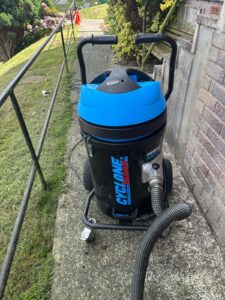
Safety features deserve serious attention. Industrial cleaning equipment boosts facility safety by 40% when properly specified and maintained. Look for automatic shutoff mechanisms, pressure relief valves, and ergonomic designs that reduce operator fatigue. Equipment with clear safety certifications protects both you and your property.
Cost considerations extend beyond the initial purchase price. Factor in consumables like detergents, replacement parts, and energy consumption. Higher quality equipment often delivers better value through durability and efficiency, even with a steeper upfront investment.
Pro Tip: Create a surface inventory of your property before shopping for equipment. Document materials, approximate square footage, and typical soiling patterns. This reference helps you communicate needs clearly when consulting suppliers or professional cleaning services.
Pressure washers: powerful solutions for tough exterior cleaning
Pressure washers represent the most recognised exterior cleaning equipment, using high pressure water jets to blast away stubborn dirt. Two main types dominate the market: electric models suit smaller residential jobs with convenient mains power, whilst petrol versions offer greater mobility and power for larger properties or commercial applications.
These machines excel on hard surfaces like concrete patios, driveways, and paving. The forceful water stream cuts through years of accumulated grime, oil stains, and organic growth that manual scrubbing cannot touch. For heavily soiled areas, pressure washers deliver unmatched cleaning speed and thoroughness.
However, power brings responsibility. Misuse causes serious problems:
- Surface etching on softer materials like sandstone
- Paint stripping from rendered walls
- Mortar erosion between bricks or paving
- Personal injury from the high pressure jet
- Water ingress through damaged seals or joints
Safety starts with understanding pressure ratings measured in PSI (pounds per square inch) or bar. Residential properties typically need 1500 to 3000 PSI, whilst commercial applications may require higher ratings. Always test equipment on an inconspicuous area first, maintaining proper distance and angle to prevent damage.
Maintenance keeps your pressure washer performing optimally. Flush the system with clean water after each use, especially when using detergents. Check hoses for wear, clean or replace nozzles regularly, and store the unit in a frost free location during winter months. Petrol models require additional engine maintenance following manufacturer guidelines.
The advantages are clear: pressure washers clean large areas quickly, remove stubborn stains effectively, and deliver professional looking results. Disadvantages include the learning curve for safe operation, potential for surface damage, and the physical demands of handling heavier equipment. Many homeowners find DIY pressure washing tips helpful for building confidence, though finding the perfect pressure washer requires careful research.
Pro Tip: Never point a pressure washer at windows, electrical fixtures, or vents. The force can shatter glass, damage seals, or force water into electrical systems. Mark these areas before starting work to avoid accidents.
Soft washing and specialised equipment for delicate surfaces
Soft washing offers a gentler alternative that protects delicate surfaces common throughout Cornwall and Devon properties. This method combines low pressure application with specially formulated cleaning solutions that break down dirt, algae, and organic growth chemically rather than mechanically. The result is thorough cleaning without the risks associated with high pressure jets.
Render, timber cladding, painted surfaces, and roof tiles benefit enormously from soft washing. These materials cannot withstand aggressive pressure washing without sustaining damage. The low pressure system applies biodegradable detergents that penetrate porous surfaces, killing organic growth at the root and preventing rapid regrowth.
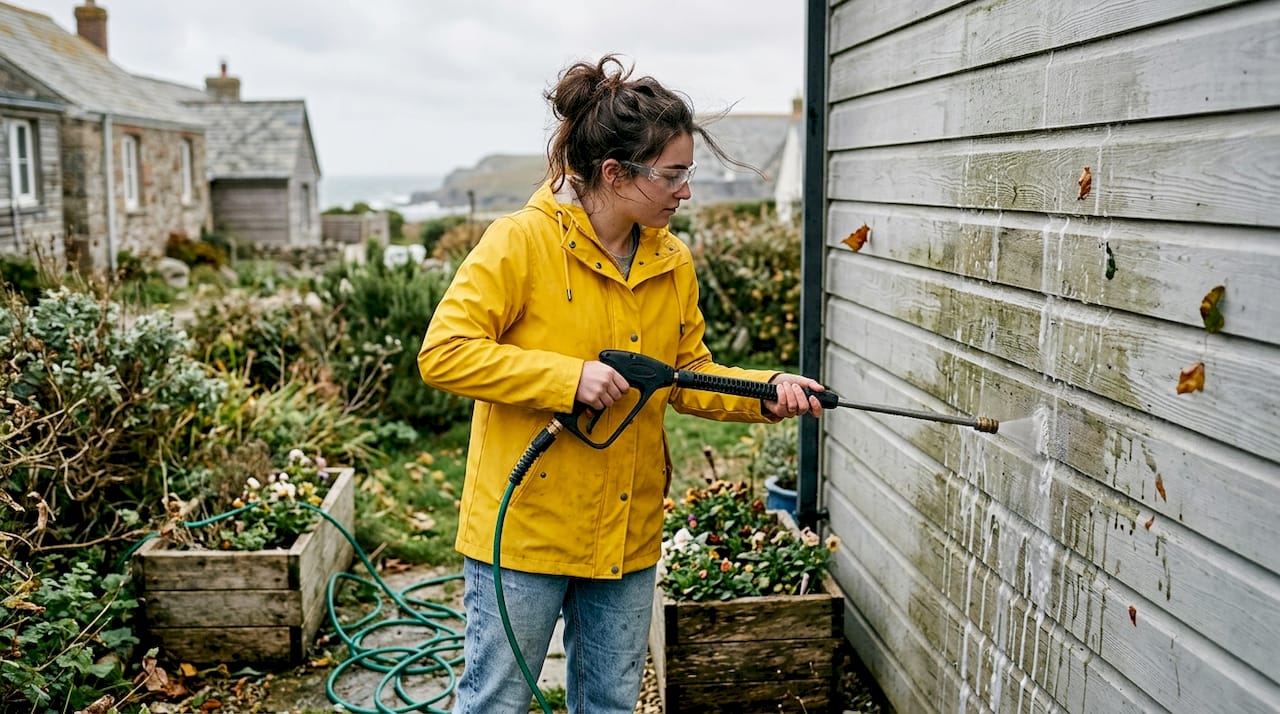
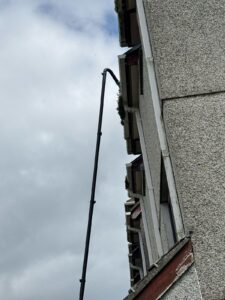
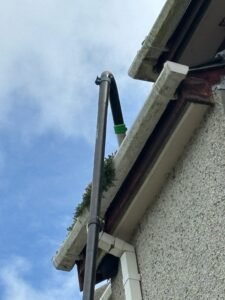
Specialised equipment extends beyond basic soft washing systems. Telescopic brushes with water fed poles allow safe cleaning of high areas without ladders. These tools deliver purified water through brush heads, combining gentle scrubbing action with rinsing in one operation. They’re particularly effective for cladding cleaning on multi storey buildings.
Key advantages include:
- Minimal risk of surface damage or water ingress
- Longer lasting results through biological treatment
- Safer operation with reduced pressure
- Eco friendly formulations available
- Effective on vertical and overhead surfaces
Limitations exist compared to pressure washing. Soft washing requires more time for chemical action to work effectively. Heavily ingrained stains or thick layers of dirt may need multiple treatments or complementary methods. The equipment also demands proper chemical handling knowledge and appropriate personal protective equipment.
The cleaning solutions used in soft washing systems vary by application. Algaecides target green growth, whilst surfactants help solutions penetrate and lift general dirt. Professional formulations often combine multiple active ingredients for comprehensive cleaning. Always follow dilution ratios precisely and consider environmental impact, especially near gardens or water features.
Comparing cleaning equipment types: a practical guide
Understanding each equipment type’s capabilities helps you make informed decisions. A thorough comparison reveals which tools match your specific property needs and maintenance goals.
| Equipment Type | Best For | Power Level | Cost Range | Maintenance Needs |
|---|---|---|---|---|
| Electric Pressure Washer | Patios, driveways, small areas | Medium | £100-£400 | Low, regular flushing |
| Petrol Pressure Washer | Large properties, commercial use | High | £300-£1000+ | Medium, engine servicing |
| Soft Washing System | Render, cladding, delicate surfaces | Low | £200-£600 | Low, chemical storage |
| Water Fed Pole | Windows, cladding, high areas | Very Low | £150-£500 | Low, filter replacement |
| Rotary Cleaner | Large flat surfaces, driveways | High | £80-£250 | Low, bearing checks |
When selecting equipment, consider your property type carefully. Terraced homes with limited storage favour compact electric models. Detached properties with extensive grounds justify petrol pressure washers or comprehensive soft washing setups. Commercial properties benefit from industrial grade equipment that withstands frequent use.
Your final selection checklist should include:
- Surface compatibility with all areas you plan to clean
- Adequate power for your typical dirt and staining levels
- Realistic assessment of your physical capability to operate equipment
- Available storage space and power sources
- Budget for purchase, consumables, and maintenance
- Safety features appropriate for your experience level
Many property owners discover that combining equipment types delivers optimal results. A pressure washer handles hard landscaping whilst a soft washing system protects rendered walls. This hybrid approach addresses diverse cleaning challenges across a single property, though it requires greater investment and storage capacity.
Pro Tip: Rent equipment before purchasing to test different types on your specific surfaces. A weekend rental reveals whether you’re comfortable operating particular machines and whether they deliver expected results on your property’s materials.
Professional exterior cleaning services in Cornwall and Devon
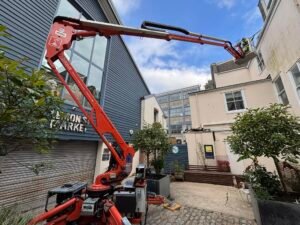
Whilst understanding equipment types empowers informed decisions, professional cleaning services offer compelling advantages for many property owners. These specialists deploy the industrial grade equipment discussed throughout this guide, combining multiple cleaning methods to achieve superior results efficiently.
Professional services excel for complex or large scale properties where equipment investment and storage prove impractical. They bring expertise in surface identification, appropriate pressure settings, and chemical selection that prevents the costly mistakes inexperienced operators often make. Time savings alone justify professional cleaning for busy homeowners and property managers.
Local providers understand regional property types and the specific challenges Cornwall and Devon’s coastal climate presents. Salt laden air, persistent moisture, and unique architectural styles require specialised knowledge that generic cleaning approaches cannot address effectively. Professional exterior cleaning services combine this local expertise with comprehensive insurance coverage, protecting you from liability.
Consider scheduling regular maintenance plans that keep your property’s exterior consistently pristine. Preventative cleaning costs less than remedial work on severely neglected surfaces. Many providers offer commercial exterior cleaning packages tailored to business premises, ensuring your property maintains professional kerb appeal year round. For comprehensive guidance on available options, explore our exterior cleaning guide covering Cornwall and Devon properties.
What types of cleaning equipment are best for patios?
Pressure washers deliver excellent results on patio surfaces, particularly concrete, natural stone, and block paving. Choose models with adjustable pressure settings to match your specific patio material, as softer stones like sandstone require gentler treatment than concrete. Rotary surface cleaners attach to pressure washers for even cleaning across large flat areas, preventing the striping effect that standard nozzles sometimes create. Always test pressure levels on an inconspicuous corner before tackling the entire patio.
Is soft washing safe for render and cladding?
Soft washing specifically suits render and cladding because it cleans thoroughly without the surface damage high pressure jets cause. The low pressure application combined with specialised cleaning solutions removes algae, moss, and dirt whilst preserving the integrity of these delicate finishes. This method proves particularly valuable for the rendered properties common throughout Cornwall and Devon, where aggressive cleaning would strip paint or damage the render substrate. Results typically last longer than pressure washing because the biological treatment prevents rapid regrowth.
How often should exterior cleaning equipment be maintained?
Maintain cleaning equipment after every use to ensure safety and longevity. Flush pressure washers and soft washing systems with clean water, removing all detergent residue that could corrode internal components. Inspect hoses, connections, and nozzles for wear or damage before storage. Properly maintained industrial equipment significantly improves safety outcomes whilst extending operational life. Schedule professional servicing annually for petrol engines and whenever you notice performance changes like pressure drops or unusual noises. Replace worn parts promptly rather than risking equipment failure during operation.
Recommended
- Steam Cleaning – jetpowerpressurewashing.co.uk
- Commercial Property Maintenance in Cornwall: Exterior Cleaning Contracts Explained – jetpowerpressurewashing.co.uk
- The Benefits of Steam Cleaning Over Regular Pressure Washing in Cornwall & Devon – jetpowerpressurewashing.co.uk
- Complete Guide to Exterior Cleaning in Cornwall & Devon – jetpowerpressurewashing.co.uk